
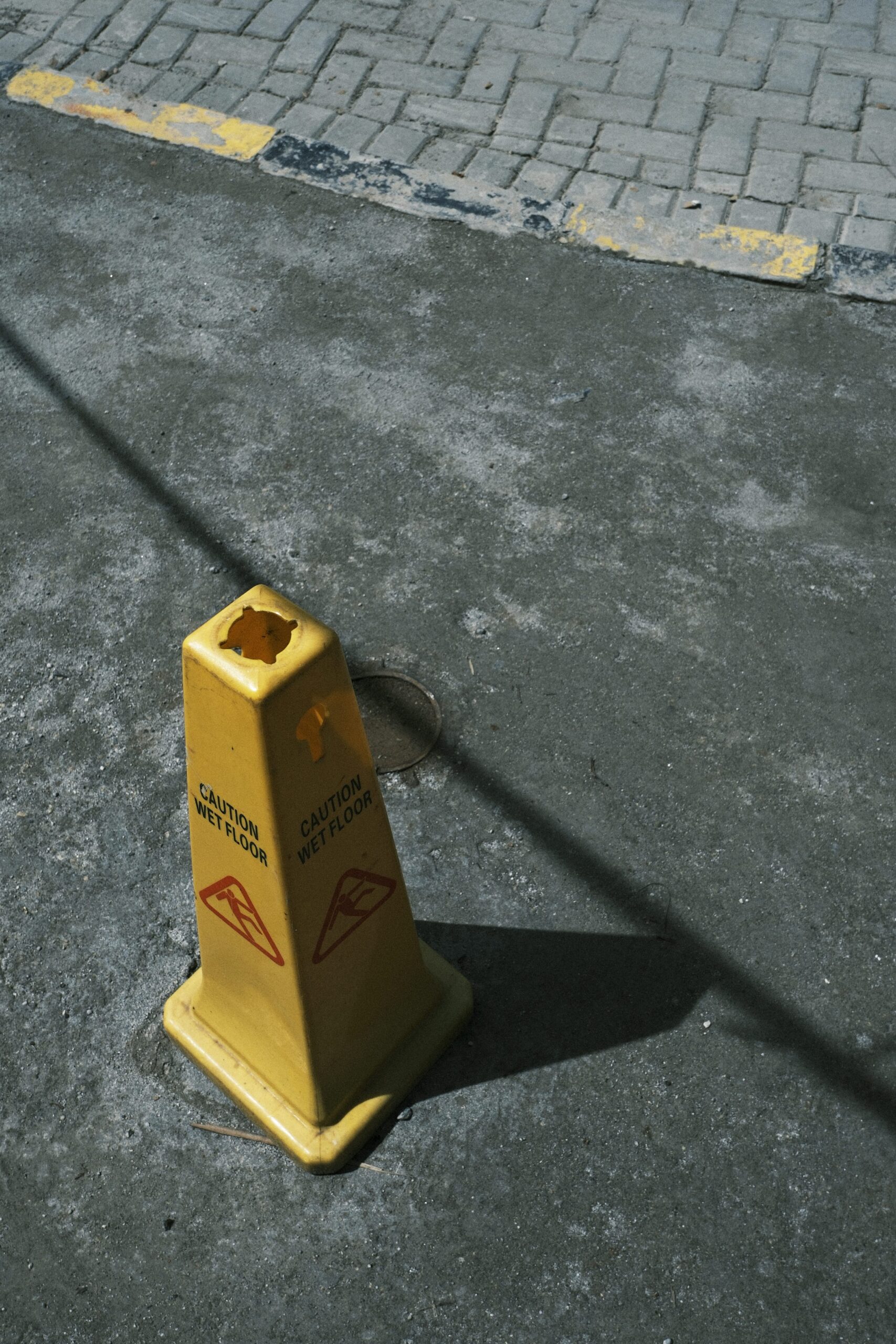
A slip or trip on unsafe property can cause injuries, missed work, and unexpected expenses. Someone searching for a slip and fall attorney in Toms River should first understand that New Jersey claims depend on the property, hazard, notice, causation, and injury evidence. This guide explains practical next steps and questions to ask a qualified lawyer.
What Does a Slip and Fall Attorney Do?
A slip-and-fall attorney evaluates whether a property owner, tenant, business, property manager, or public entity may have legal responsibility for an injury caused by an unsafe condition. The lawyer’s work may include reviewing the incident location, gathering records, identifying witnesses, preserving video, analyzing maintenance practices, communicating with insurers, calculating documented losses, and negotiating or litigating the claim when appropriate.
The phrase premises liability describes a broader area of law involving injuries on property. A fall can happen in a supermarket, restaurant, parking lot, apartment building, office, sidewalk, hotel, or public facility. The legal analysis can change depending on who controlled the property, why the injured person was there, what caused the fall, and whether the defendant had actual or constructive notice of the hazard.
There is no automatic payment simply because a person fell on another party’s property. The injured person generally needs evidence connecting an unsafe condition, the responsible party’s legal duty and failure to use reasonable care, and the injury. A New Jersey attorney can evaluate the facts and explain which legal theories may apply. This article is general information, not legal advice or a promise of a result.
How New Jersey Premises-Liability Claims Are Evaluated
A central question is whether the responsible property party owed a duty of reasonable care in the circumstances. New Jersey courts consider the relationship between the parties, the nature of the property, the use of the space, and the foreseeability of harm. Commercial businesses open to customers commonly have obligations to use reasonable care for the safety of invitees, but the specific duty and proof needed depend on the facts.
The condition itself matters. A spill in a supermarket aisle, an uneven floor tile, a broken stair, loose carpet, poor lighting, an icy walkway, or debris in a parking lot may present different questions. A lawyer will ask how long the condition existed, who created it, whether inspections were performed, what warnings were posted, and whether the hazard could reasonably have been found and corrected.
Notice is often important. Actual notice may exist when an employee, manager, maintenance worker, or owner knew about the hazard. Constructive notice may be argued when the condition existed long enough, or was sufficiently apparent, that a reasonable inspection could have identified it. The time period, inspection routine, and evidence are all relevant; a claimant should not assume that the property must pay merely because a dangerous condition was present after the accident.
New Jersey courts have discussed how notice and reasonable care apply to business premises. The state’s official premises-liability case guide is useful background on distinctions that can arise in claims involving commercial, residential, and public property. A lawyer will need to apply the relevant law to the specific location and facts rather than relying on a general summary.
What to Do Immediately After a Fall
First, get medical help when needed. Call emergency services for a serious injury, head impact, loss of consciousness, possible fracture, severe bleeding, or symptoms that require urgent evaluation. Some injuries are not obvious immediately. Follow medical instructions, attend recommended follow-up appointments, and explain how the incident happened. Do not delay necessary care because you are worried about how an insurer may interpret the bill.
Report the incident to the business, landlord, property manager, or relevant authority. Ask that an incident report be created and request the report reference or the name of the person taking the information. Stick to what you know. Do not guess about the cause, exaggerate symptoms, or sign a release or broad statement without understanding it. A factual report made promptly can help establish when and where the fall occurred.
Photograph the hazard and the surrounding area as soon as it is safe. Take wide images showing the location and close images of the spill, broken surface, missing handrail, lighting, warning signs, or other condition. Include the floor, weather, nearby displays, stair edges, or mats where relevant. If the hazard is cleaned or repaired later, early photos may become particularly important. Do not put yourself in danger to collect evidence.
Write down the names and contact details of witnesses, employees, and anyone who helped. Note the time, date, weather, lighting, footwear, route, and what you were carrying. Keep the clothing and shoes worn during the incident in their current condition if possible; do not clean or alter them before discussing evidence preservation with counsel. Save receipts, medical documents, wage records, and communications related to the fall.
Why Surveillance Video and Inspection Records Matter
Many commercial properties use security cameras, but video may be overwritten on a short schedule. Identify the cameras that may have captured the area, entrance, checkout line, stairwell, or parking lot. A written request to preserve relevant footage may help, although it does not guarantee the business will provide it voluntarily. A lawyer may use formal legal procedures to request records when litigation is appropriate.
Inspection and cleaning logs can show when employees last checked the area, whether a spill was recorded, and what action was taken. Maintenance requests, work orders, contractor records, incident reports, and staff schedules may also matter. The existence of a checklist does not prove that inspections were performed properly. Evidence should be considered in context, including the timing, accuracy, and consistency of the records.
Digital evidence can disappear or become harder to retrieve. Keep original photos and messages, avoid editing the only copy, and save backups. If you post about the incident or your physical activities on social media, understand that the defence may examine public statements that appear inconsistent with claimed injuries. Do not destroy evidence or alter documents; ask your attorney how to preserve material lawfully.
New Jersey’s General Personal-Injury Deadline
New Jersey’s general statute of limitations for many personal-injury actions is two years from accrual. The controlling statute is N.J.S.A. 2A:14-2. Missing a filing deadline can prevent a court from hearing a claim, but the date and applicable rule can depend on the claim type and circumstances. Do not treat the two-year period as an automatic allowance to wait until the last moment.
Claims involving a public entity can follow different notice and procedural rules under the New Jersey Tort Claims Act. A municipal sidewalk, public building, or other government-controlled location may therefore require faster action and a different legal analysis. Special rules may also apply to minors, delayed discovery, wrongful-death claims, contractual provisions, or other unusual situations. A Toms River resident should identify the exact owner or controller of the location and speak promptly with a New Jersey attorney.
A consultation should include the incident date, location, identity of the property owner if known, medical history related to the injury, and any contact with insurers or property representatives. Tell the lawyer if you received a letter or form with a deadline. Even if you are unsure whether the claim is strong, early advice can help protect evidence and avoid a missed procedural requirement.
Comparative Negligence: Can Your Own Actions Affect Recovery?
New Jersey follows a modified comparative-negligence system. Under N.J.S.A. 2A:15-5.1, a plaintiff’s recoverable damages are generally reduced by the plaintiff’s percentage of fault, and the statute bars recovery if the plaintiff’s negligence is greater than the negligence of the person or parties being sued. The exact application requires a fact-specific legal analysis.
For example, an insurer may argue that a person was distracted, ignored a visible warning, walked through a restricted area, or failed to use an available handrail. Those allegations do not automatically defeat a claim. The location, lighting, warning placement, visibility of the condition, urgency, and reasonable alternatives all matter. A lawyer can assess the evidence rather than accepting an insurer’s percentage estimate at face value.
Be truthful about what you saw and did. Do not speculate about fault or agree to a percentage before the relevant evidence is available. A person may not know whether a spill was visible from the approach path, whether a warning sign was positioned after the incident, or whether the business inspected the floor. Preserve facts so the parties can evaluate comparative responsibility on a complete record.
What Compensation May Be Considered?
Depending on liability and proof, damages may include reasonable medical expenses, future medical care where supported, lost wages, reduced earning capacity, and non-economic harm such as pain, limitations, and loss of normal activities. The categories and value depend on the medical evidence, duration of symptoms, prognosis, work impact, and legal limits that apply. There is no reliable settlement calculator that can predict an individual claim’s result from the injury label alone.
Keep records of appointments, treatment plans, prescriptions, travel to care, work absences, and out-of-pocket expenses. If symptoms affect daily activities, note specific limitations in a factual way. Do not inflate or minimise symptoms. Gaps in care may be questioned, but there can be many reasons for them, including cost, access, or medical advice. Discuss the reasons honestly with counsel.
The value of a claim can also be affected by insurance coverage, available evidence, disputed fault, liens, prior conditions, and the ability to prove future losses. A lawyer should explain fees, costs, case expenses, and how any settlement would be distributed. Be cautious of anyone who guarantees a specific dollar recovery before reviewing records and liability evidence.
Choosing a Slip and Fall Attorney in Toms River
A local attorney may understand Ocean County court practice, nearby property types, local medical providers, and the practical steps for investigating a fall in Toms River. Local familiarity is useful, but it should not replace relevant experience, communication, resources, or a clear explanation of your legal options. A lawyer should be able to describe how they would investigate the specific hazard and who may have controlled the property.
Ask who will handle the case day to day, how often you will receive updates, and whether the firm has experience with similar claims. Find out how evidence is preserved, whether experts may be needed, and how the firm approaches a case involving a public entity or disputed notice. Ask whether the lawyer has handled matters involving stores, apartment owners, property managers, snow and ice, or other conditions similar to yours.
Understand the fee agreement before signing. Many personal-injury firms use contingency fees, but percentages, litigation costs, case expenses, and the treatment of a recovery can vary. Ask what happens if there is no recovery, who pays advanced costs, and whether you may owe expenses even when the claim is unsuccessful. Get answers in writing and keep a copy of the signed agreement.
A useful starting point for comparing legal representation is our general discussion of when hiring a lawyer may be useful in a court matter, although traffic court is a different legal field. You can also browse the Worthiums Law section for other general legal explainers. These pages are informational and do not replace advice about a personal-injury claim.
What to Bring to a First Consultation
- The date, time, and exact location of the fall.
- Photographs, videos, witness names, and any incident-report number.
- Names of the property owner, tenant, business, or public agency if known.
- Medical records, treatment instructions, bills, and information about missed work.
- Any letters, calls, recorded statements, or forms from insurers or property representatives.
- A brief timeline of symptoms, treatment, recovery, and continuing limitations.
Common Mistakes to Avoid
Do not delay medical care, wait too long to preserve video, or assume a report alone protects your legal rights. Avoid giving a detailed recorded statement to an insurer before understanding what is being requested. Do not sign a full release simply to receive a small early payment without learning whether future treatment may be needed. Once a claim is released, it may be difficult or impossible to pursue additional compensation for the same incident.
Do not post exaggerated claims, speculate about the owner’s motives, or alter photographs. Avoid discussing confidential legal advice publicly. Keep communication professional and factual. If the property owner offers to pay a bill directly, ask what the payment means and whether any release or waiver is attached. A lawyer can explain how to handle a settlement offer without unnecessarily escalating the situation.
Conclusion
A slip-and-fall claim in Toms River depends on the actual hazard, who controlled the property, whether reasonable care was used, what evidence proves notice and causation, and the extent of the injury. Preserve evidence, get appropriate medical attention, and identify any urgent filing or notice deadline. A New Jersey-licensed attorney can review the facts, explain comparative fault, and help you decide what to do next.

Lois Snyder is a versatile writer with experience across multiple domains. She crafts engaging and informative content, delivering valuable insights and captivating readers with her expertise and passion for diverse topics.