
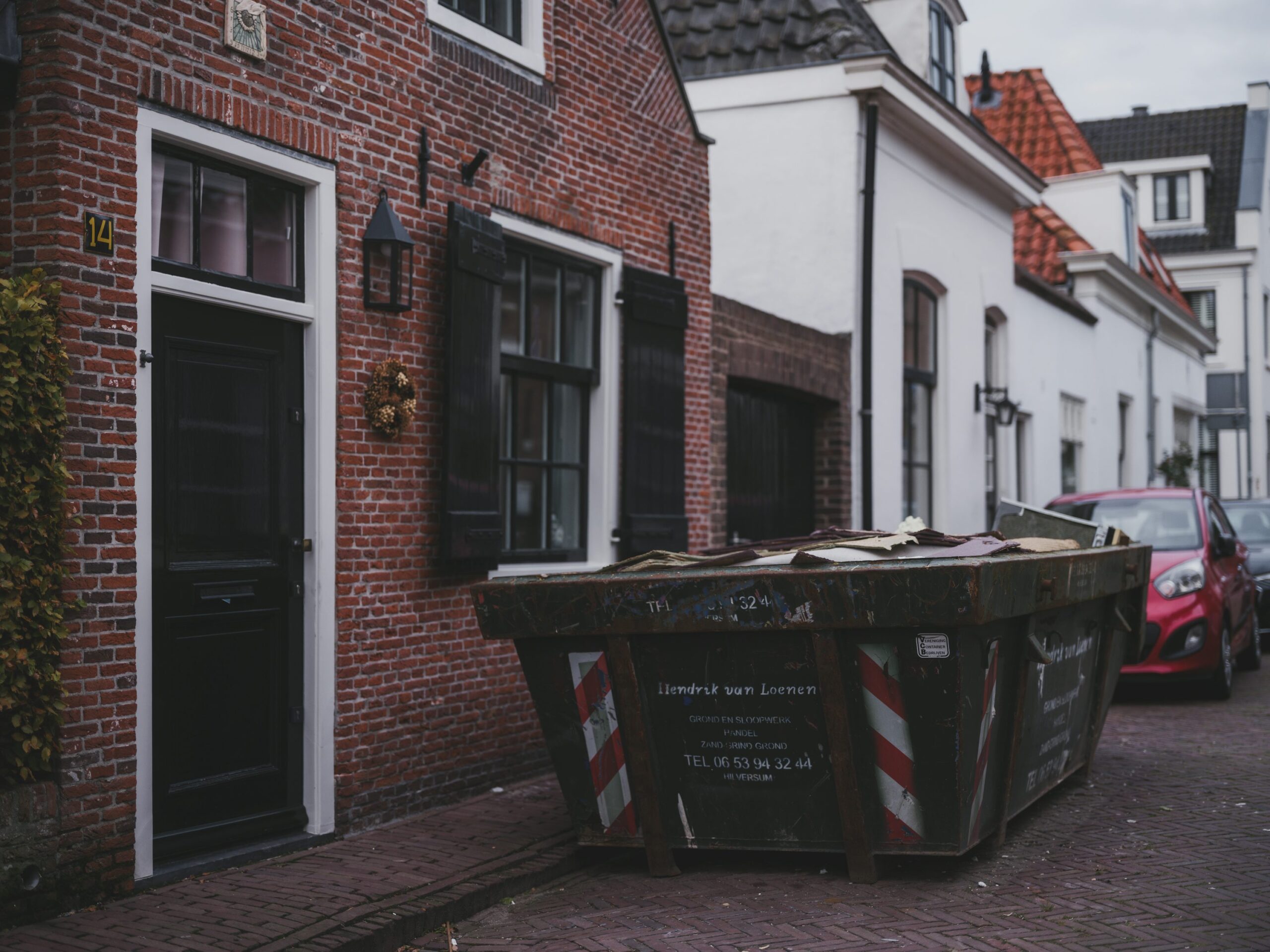
A 20 yard roll off dumpster can be a practical choice for a medium-sized cleanout, renovation, roofing project, or landscaping job in Brussels, Wisconsin. The right container depends on the material, total volume, weight, driveway access, and rental period—not just the size printed on the truck. This guide explains what to check before booking.
What Does a 20-Yard Roll-Off Dumpster Hold?
A 20-yard dumpster holds 20 cubic yards of material. Because one cubic yard equals 27 cubic feet, that is 540 cubic feet of theoretical container volume. In practical terms, it is a mid-size open-top container designed for a substantial household or job-site cleanout without taking up as much space as a 30- or 40-yard box. The actual usable space depends on the container’s shape, the loading line, and the type of debris.
Many rental companies describe a typical 20-yard container as roughly 22 feet long, 8 feet wide, and about 4 feet high. Dimensions are not universal: some models are shorter, taller, or narrower, and door arrangements differ. Check the provider’s actual measurements rather than relying only on a generic size chart. Waste Management’s roll-off dumpster guide is a useful starting point for comparing container sizes and common project uses.
A useful mental picture is a long rectangular open-top container with enough floor area for bulky furniture, demolition debris, or bagged household waste. It is not a guarantee that every bulky object will fit. A sofa, mattress, cabinets, shingles, and dense construction waste use space differently. Before you reserve, describe the project and the largest items to the rental company.
When Is a 20-Yard Dumpster the Right Size?
A 20-yard container is often considered for a multi-room decluttering project, a garage or basement cleanout, a small-to-medium kitchen or bathroom renovation, flooring removal, moderate roofing work, or a landscaping project that creates a large amount of debris. It can also suit a landlord preparing a property between tenants when several rooms contain old furniture, fixtures, and general rubbish.
For a kitchen renovation, the container may take old cabinets, countertops, packaging, flooring, and non-hazardous demolition material, subject to the rental company’s acceptance rules. A bathroom project may create less volume but can be surprisingly heavy because tile, mortar, porcelain, and concrete are dense. Ask whether the quoted price includes a weight allowance and whether the company sets special limits for roofing shingles, soil, concrete, or masonry.
For a roof replacement, estimate the roof area and number of shingle layers before selecting a container. Shingles are heavy, and the weight limit may be reached before the box looks full. Do not choose a dumpster based only on the roof’s visual size. Give the provider the approximate square footage, number of layers, and whether tear-off includes wood or other material.
For a home cleanout, think about the large pieces first. Furniture, shelving, boxes, carpet, and general junk can occupy considerable volume but may not weigh as much as masonry. If the property has several storage rooms, a shed, or an attic packed to the ceiling, a 20-yard container may be suitable—or may be too small if the contents are dense or bulky. Our guide to estimating storage space by room and belongings can help you think through the volume before deciding what to discard, store, or donate.
What Can You Put in the Container?
Accepted materials vary by hauler, transfer station, landfill, and local rules. Typical permitted debris may include household junk, furniture, wood, drywall, flooring, packaging, yard debris, and certain construction materials. The provider should give you a written accepted-materials list before delivery. If you are mixing waste types, ask whether the company offers separate clean-load pricing or charges different rates for mixed construction and household debris.
Do not assume that a material is permitted because it is non-liquid or appears harmless. Paint, solvents, fuel, motor oil, pesticides, asbestos-containing materials, batteries, tires, refrigerators, electronics, propane cylinders, and some appliances may be restricted or require special handling. Certain treated woods, roofing materials, dirt, concrete, and other dense debris may be accepted only under specific conditions. The right answer comes from the contracted hauler, not from a general internet list.
Keep prohibited items out of the container even if the driver does not inspect every load at pickup. A rejected load can result in extra fees, delay, or a required second trip to remove the restricted material. If you find old chemicals, fluorescent tubes, batteries, or electronic equipment while cleaning, set them aside and check the appropriate local drop-off or recycling program.
Weight Limits Matter as Much as Volume
The container’s cubic-yard capacity and the rental’s included weight are two different limits. A 20-yard box can look half-empty but still exceed the weight allowance when loaded with concrete, brick, wet soil, roofing shingles, or plaster. Dense material settles into a small space and can make the container unsafe to haul. Never assume that a box can be filled to the rim with heavy debris.
Your quote should state the included tonnage, the overage rate, and whether disposal charges are adjusted by scale ticket. Ask the company to estimate the likely weight for your particular material. If the project includes both heavy debris and lighter household waste, discuss using a separate container or a dedicated clean-load service. Separating material can sometimes reduce disposal costs and makes it easier to stay under each load’s limits.
Booking a 20 Yard Roll Off Dumpster in Brussels, Wisconsin
Before arranging delivery in Brussels, identify the exact placement address and decide whether the container will sit on a private driveway, private worksite, or a public street or road. Those situations can involve different permission, traffic, surface-protection, and access considerations. Do not assume that a container can be placed on a road or shoulder simply because there appears to be room. Confirm current requirements with the Town of Union, Door County, and the hauler before the scheduled delivery.
The Town of Union provides local information about household garbage, recycling schedules, and yard-waste handling. Its municipal information page is a useful local starting point, but a page about ordinary household waste should not be treated as a complete roll-off permit decision. Ask the Town Clerk whether a temporary container on the proposed site triggers any local approval, road-occupation, or safety requirement. If you are outside the Town of Union boundary, contact the municipality that actually governs the address.
The driver also needs a safe approach and enough room to lower the container. Measure the driveway width and length, note overhead wires and tree branches, identify slopes, and keep vehicles away from the drop area. A roll-off truck needs more maneuvering room than the container’s footprint alone suggests. Tell the provider about gates, narrow lanes, cul-de-sacs, soft ground, steep driveways, or other obstacles when ordering.
Protect the surface before delivery. A loaded roll-off container is heavy, and the truck’s wheels and container rails can damage asphalt, concrete, pavers, lawns, or septic-field areas. Ask whether the company supplies boards or recommends plywood, and get the placement instructions in writing. A surface-protection plan does not eliminate all risk, but it helps you make a deliberate decision rather than arguing about driveway damage after pickup.
How Long Should You Rent It?
Rental periods vary by company and project. A short cleanout may take a few days, while a renovation can stretch over one or two weeks depending on trades, inspections, weather, and delivery schedules. Choose a period that gives you a realistic buffer, but ask about daily extension charges, early pickup, and the cost of a return trip if the container is collected before you finish.
If contractors will share the container, coordinate the schedule before delivery. One trade can fill the box with packaging and scrap before another crew has disposed of its demolition material. Decide who can use it, what materials are allowed, and who is responsible for keeping the load below the fill line. A simple note to everyone on the project can prevent avoidable overage charges and disputes.
What Affects the Price of a 20-Yard Rental?
A quote can include delivery, pickup, a standard rental period, disposal up to an included weight, and taxes. The total can change with the service area, haul distance, material type, rental length, included tonnage, and disposal facility charges. A very low advertised rate may be only a base price. Compare written totals that describe the same service rather than choosing whichever headline number looks cheapest.
Ask whether the provider charges a flat rate or separates the base rental from disposal weight. Confirm the overage price per ton, extension charge, failed-delivery fee, prohibited-material penalty, and any fuel or environmental fee. Find out what happens if the container is inaccessible on pickup day or the driver cannot safely position it. Ask whether the company will call before charging for an unexpected issue.
If you are deciding whether to dispose of items or keep them temporarily, compare the waste cost with the cost of storage. The Worthiums guide to monthly storage-unit pricing can help frame that decision for furniture, seasonal belongings, and reusable materials that do not need to be thrown away.
How to Load the Dumpster Safely
Load evenly from front to back and distribute heavy material across the floor rather than creating one dense pile at one end. Break down bulky items where safe, place flat pieces along the sides, and use the remaining gaps for smaller debris. Keep all waste inside the container and below the fill line. The driver may refuse transport if material is sticking out, piled too high, or likely to fall during the trip.
Do not climb onto unstable piles to compact the load, and do not use machinery unless the provider has expressly approved the loading method. Keep children and pets away from the drop zone. Wear appropriate gloves, eye protection, sturdy footwear, and respiratory protection when the material or dust requires it. Stop and seek professional guidance if you uncover suspected asbestos, unknown chemical containers, or other hazardous material.
Do not put liquids or loose material into a roll-off unless the hauler specifically accepts it. Secure lightweight items so they cannot blow away, and avoid placing sharp objects where someone could be injured while loading. If you are working with contractors, make sure they understand the fill line and prohibited-material rules before the first load goes in.
Should You Rent a 10-, 20-, or 30-Yard Dumpster?
A 10-yard container may be more appropriate for a smaller bathroom remodel, a modest amount of concrete, or a limited cleanout. A 20-yard container offers more room for a multi-room job or moderate renovation. A 30-yard box may be better when a large household cleanout, substantial construction work, or multiple rooms generate bulky waste. The correct choice is project-specific: a large volume of light waste is different from a smaller pile of dense debris.
If you are between sizes, explain the scope to the rental company and ask whether a larger container is more economical than ordering a second haul. Also ask whether a smaller container can be exchanged or swapped out when full. The cheapest option is not always the smallest box; a second delivery and disposal charge may cost more than stepping up one size at the start.
Questions to Ask Before You Confirm
- What are the exact outside dimensions and door opening of the 20-yard container?
- What weight allowance is included, and what is the overage charge per ton?
- Which materials are prohibited or require separate approval?
- How many days are included, and what are the extension and early-pickup terms?
- Will the truck fit the delivery approach and safely protect the placement surface?
- Does the proposed location require municipal permission or another approval?
- Are delivery, pickup, disposal, taxes, and other fees included in the written total?
Conclusion
A 20-yard roll-off dumpster can handle many medium-sized cleanouts and renovation projects, but the right choice depends on volume, weight, material rules, access, and placement. In Brussels, confirm the exact governing municipality and any location-specific requirements before delivery. Compare complete written quotes, protect the surface, and keep the load level and within the hauler’s limits. These checks make the rental easier to plan and less likely to produce unexpected fees.

Lois Snyder is a versatile writer with experience across multiple domains. She crafts engaging and informative content, delivering valuable insights and captivating readers with her expertise and passion for diverse topics.
1 thought on “20 Yard Roll Off Dumpster Brussels, WI: Rental and Sizing Guide”