
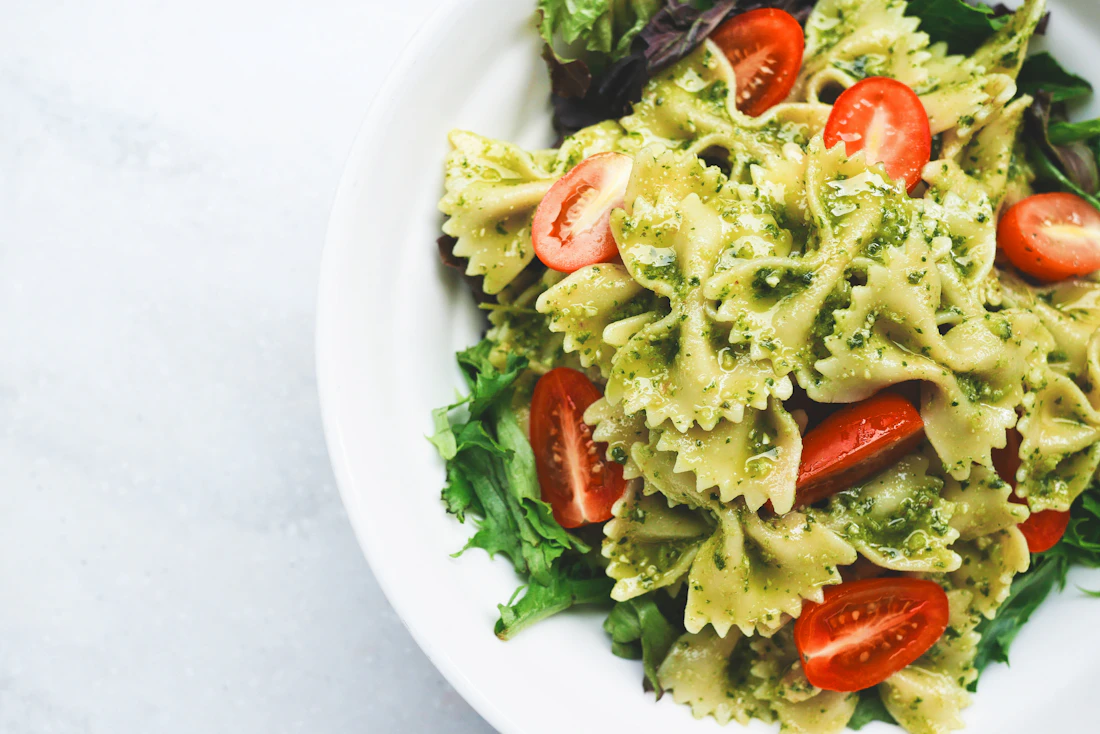
Cooked pasta is generally safe to keep in the refrigerator for 3 to 4 days when it is cooled promptly and stored at 40°F (4°C) or below. This practical window applies to plain pasta and many pasta dishes, although ingredients such as meat, seafood, dairy sauces, and vegetables can affect quality and handling. The USDA recommends using refrigerated leftovers within three to four days; its guidance is a useful baseline for home-cooked pasta. See the USDA Food Safety and Inspection Service leftover guidance for the core storage rules.
Does the Type of Pasta Make a Difference?
The shape of the pasta—spaghetti, penne, macaroni, fusilli, or shells—does not usually change the basic refrigerator window. What matters more is whether it has been cooked, how quickly it was cooled, what was mixed into it, and whether it stayed cold. Plain cooked pasta can dry out or become sticky, while pasta with sauce may retain moisture and texture differently. Pasta salad may contain mayonnaise, eggs, cheese, meat, or chopped vegetables, so keep it chilled and follow the same conservative leftover practices rather than assuming the dressing preserves it.
How Long Can Pasta With Sauce Stay in the Fridge?
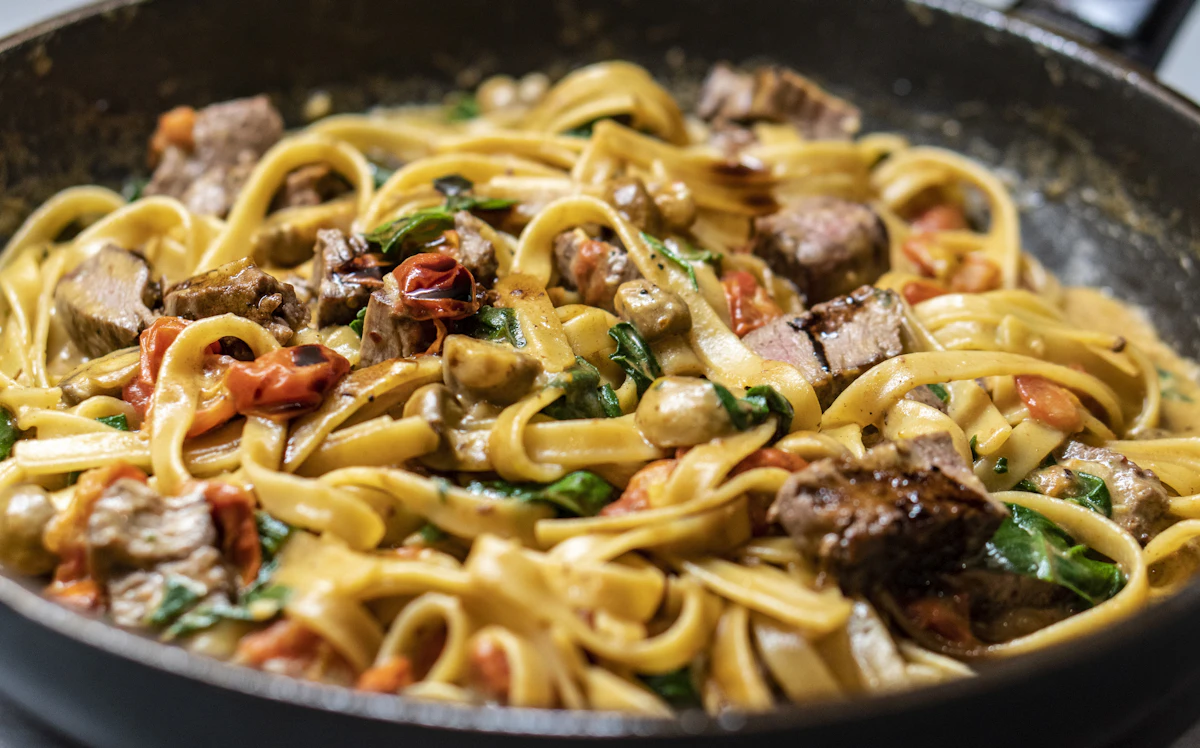
Pasta mixed with tomato sauce, cream sauce, cheese, vegetables, or cooked meat is still a perishable leftover. Use the same general 3-to-4-day refrigerator target, provided it was handled safely. Meat- or seafood-based sauces deserve particular care because they contain ingredients that need prompt refrigeration. Store the pasta in a shallow airtight container, label it with the preparation date, and avoid repeatedly leaving the whole container on the counter while serving portions. If you cannot use it within the recommended period, freeze it promptly.
How to Store Cooked Pasta Safely
Refrigerate pasta as soon as practical after cooking. Perishable food should not remain at room temperature for more than two hours, or one hour when the surrounding temperature is above 90°F (32°C). Divide a large batch into shallow containers so it cools faster, then seal and place it in a refrigerator set to 40°F or colder. Do not leave a large, steaming pot on the counter for hours to cool. The FoodSafety.gov cold storage guidance explains the importance of low refrigerator temperatures and short storage windows.
Can You Put Warm Pasta Directly in the Fridge?
You do not need to wait until a large pot reaches room temperature before refrigerating it. In fact, leaving cooked food out for an extended period can allow bacteria to multiply. The better approach is to divide pasta into smaller, shallow portions, allow excess steam to escape briefly while preparing containers, and refrigerate promptly. Avoid placing an oversized hot stockpot in the refrigerator if it will cool slowly or warm nearby foods. Smaller portions make cooling more efficient and make later reheating easier.
How Can You Tell If Pasta Has Gone Bad?
Discard pasta if you see mold, unusual discoloration, a slimy or unusually sticky surface, or an off smell. These signs indicate that the food should not be eaten. However, appearance and smell cannot prove that leftovers are safe: harmful bacteria may be present without obvious changes. Do not taste pasta to decide whether it is safe, and do not try to rescue questionable leftovers by reheating them. If you cannot remember when it was cooked or how long it sat out, the safer choice is to throw it away.
How to Reheat Refrigerated Pasta
Reheat only the portion you plan to eat. On the stovetop, add a splash of water or sauce and warm it evenly, stirring as needed. In a microwave, cover the dish, stir partway through, and allow standing time so heat distributes. Leftovers should reach 165°F (74°C) throughout; use a food thermometer rather than relying only on steam. The USDA explains safe reheating methods and the 165°F target in its leftover reheating guidance. Avoid reheating the same large batch repeatedly.
Can You Freeze Cooked Pasta?
Yes. Freezing is a practical option when you know you will not eat the pasta within a few days. Portion it into freezer-safe containers or bags, remove excess air, label the date, and freeze promptly. Pasta may soften after thawing, particularly if it was cooked until very tender before freezing. Slightly undercooked pasta can hold its texture better in some dishes. Thaw it in the refrigerator or reheat it safely from frozen where the recipe allows; do not thaw perishable pasta for hours on the counter.
How to Meal Prep Pasta Without Wasting It
For meal prep, cook only the amount you can refrigerate or freeze safely. Divide the finished dish into individual portions soon after cooking, label each container, and plan to eat refrigerated portions within three to four days. Freeze portions intended for later in the week or beyond. Keep sauces separate when that helps preserve texture, and add fresh herbs or delicate toppings after reheating. This simple routine makes weekday meals easier without relying on leftovers that have been stored too long.
Cooling Pasta Quickly
The most important part of leftover storage is the time between cooking and refrigeration. Divide a large batch into shallow containers so heat can escape more quickly, and do not leave a deep pot on the counter for hours. USDA guidance says perishable leftovers should be refrigerated within two hours, or within one hour when the air temperature is above 90°F. Keep the refrigerator at 40°F or below and label each container with the preparation date. Review the USDA leftover safety guidance and FoodSafety.gov cold-storage charts for the full rules.
Pasta Salad and Packed Lunches
Pasta salad should be treated as a perishable dish, especially when it contains eggs, mayonnaise, cheese, meat, seafood, or chopped vegetables. Keep it refrigerated until serving and avoid leaving the bowl out for an extended meal or gathering. For packed lunches, use an insulated lunch bag with cold packs and refrigerate the food when you arrive if possible. A container left in a warm car is not being safely refrigerated, even if it was cold when packed.
When Freezing Is the Better Option
Freeze portions when you already know they will not be eaten within three or four days. Smaller, flat portions are easier to cool, freeze, and thaw than one large container. Label the dish and date so it does not become an unidentified freezer leftover. Thaw in the refrigerator or reheat safely from frozen where your recipe allows. Some pasta softens after freezing, so slightly undercooking it before freezing can help preserve texture.
A Practical Leftover Check
Before eating pasta, ask whether it was refrigerated promptly, stayed cold, and remains within the recommended storage period. Mold, an off smell, or a slimy texture are clear reasons to discard it, but the absence of these signs does not guarantee safety. Never taste food to decide whether it has spoiled. For another make-ahead meal, read our guide to preparing mashed potatoes ahead of time.
Using Leftovers in Other Meals
Cooked pasta can be repurposed into a quick lunch, baked pasta casserole, soup addition, or chilled pasta salad. The safest approach is to plan the next meal before storing the original batch. Divide the pasta into portions that match the number of people you expect to serve, and avoid repeatedly warming and cooling the same container. If you are adding freshly cooked ingredients later, keep them separate until needed and refrigerate the combined dish promptly. The same make-ahead principles apply to side dishes; our guide to preparing mashed potatoes in advance explains how to plan cooling, storage, and reheating for another popular meal.
Frequently Asked Questions
Can pasta last 5 days in the fridge?
Three to four days is the safer general recommendation for cooked leftovers. Do not extend storage simply because the pasta looks or smells normal.
Can I eat pasta left out overnight?
No. Perishable cooked pasta left at room temperature overnight should be discarded. Reheating does not reliably make improperly stored food safe.
Does pasta with meat sauce last as long as plain pasta?
Use the same conservative 3-to-4-day window, provided it was cooled and refrigerated promptly. Meat sauce needs careful temperature control.
Should I rinse pasta before storing it?
Rinsing is not required for safe storage. Drain it well, portion it, and refrigerate promptly. Follow your recipe’s instructions for pasta salads.
How long can pasta stay in the freezer?
Frozen pasta remains safe while continuously frozen, although texture and flavor are best within a reasonable quality window. Package it airtight and label it.
Conclusion
Cooked pasta generally keeps for 3 to 4 days in a refrigerator maintained at 40°F or below. Prompt cooling, shallow airtight containers, date labels, and thorough reheating are more important than the pasta shape. Freeze portions you will not eat within that period, and discard leftovers that were left out too long or have signs of spoilage. When storage history is uncertain, do not taste-test it—choose food safety over avoiding waste.

Lois Snyder is a versatile writer with experience across multiple domains. She crafts engaging and informative content, delivering valuable insights and captivating readers with her expertise and passion for diverse topics.