
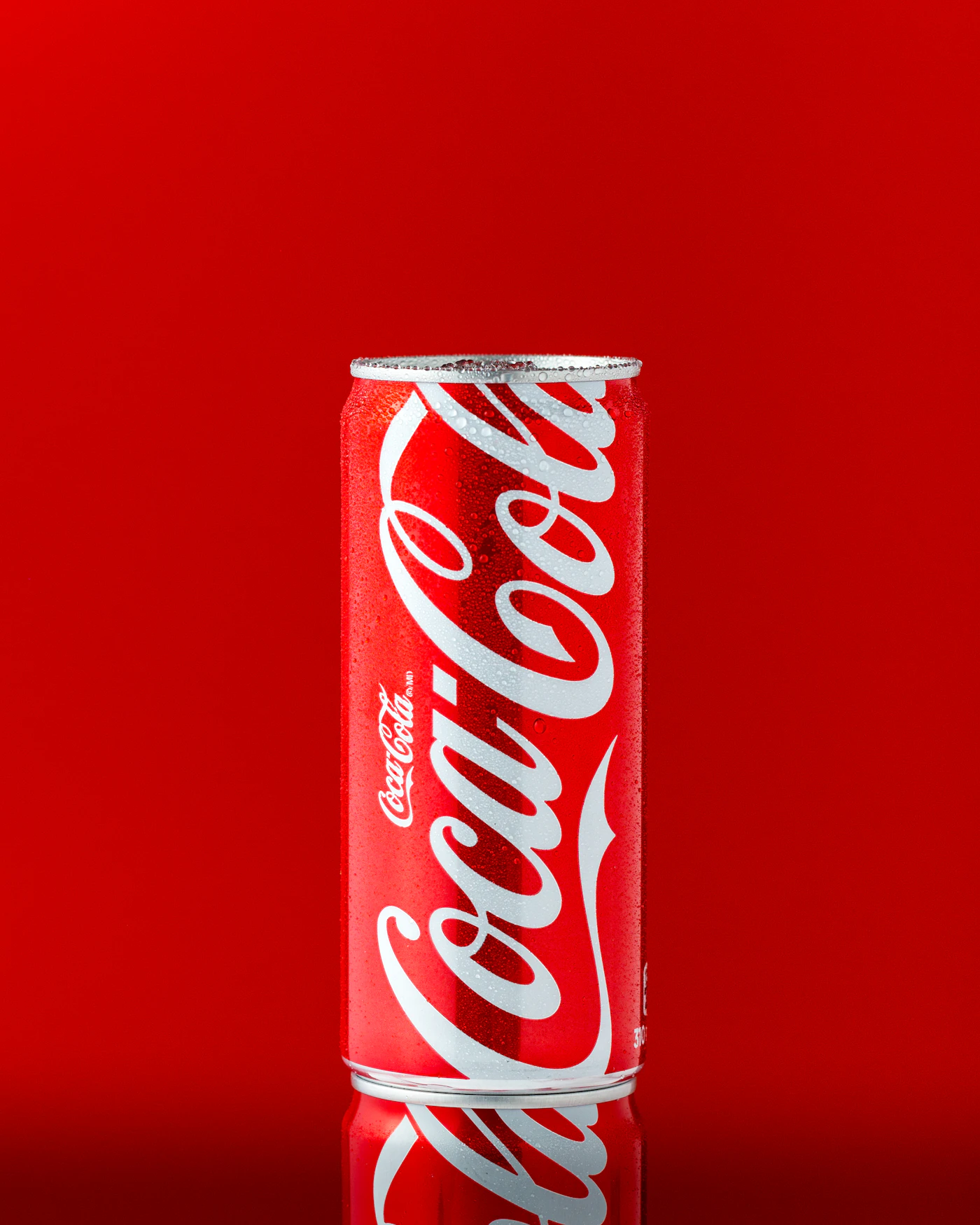
A 12-fluid-ounce can of regular Coca-Cola contains 39 grams of sugar and about 140 calories, according to Coca-Cola’s published nutrition information. The amount changes with serving size: a mini can contains less, while a larger bottle contains more. Always check the label on the product you have because formulas, package sizes, and sweeteners can differ between countries.
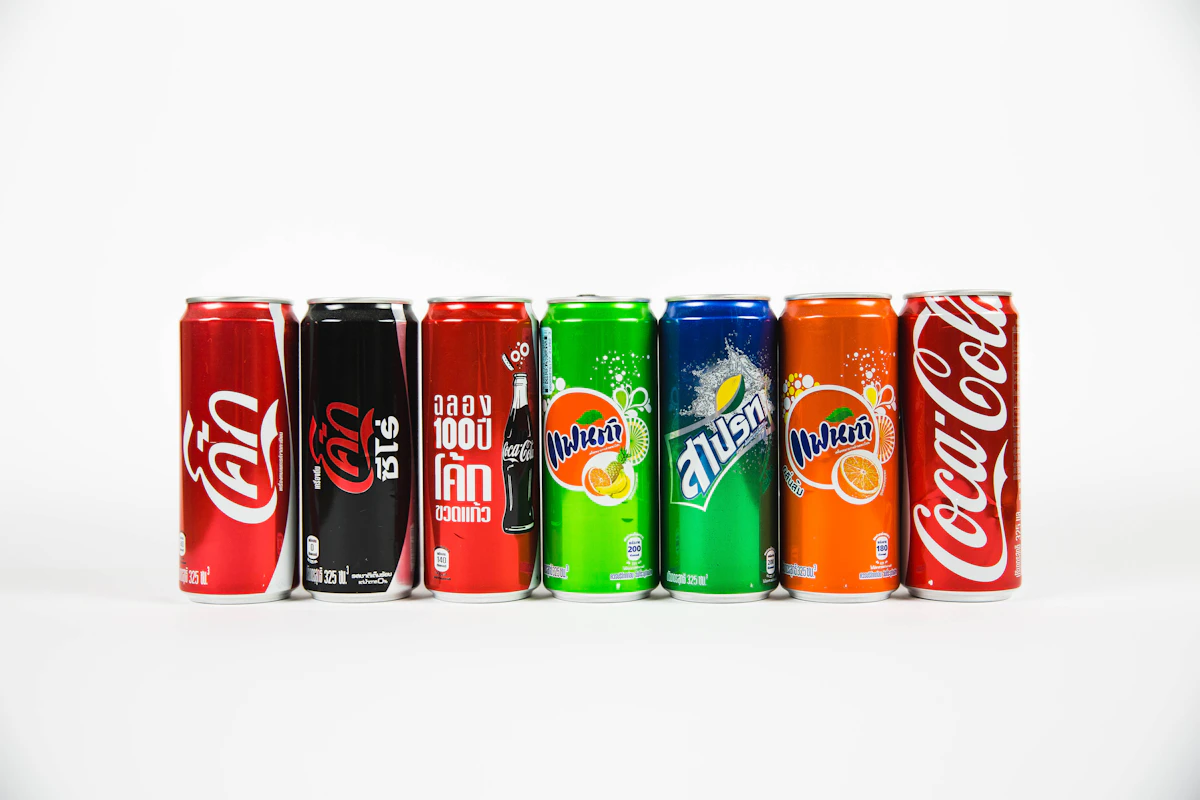
Sugar by Serving Size
Coca-Cola lists 25 grams of sugar in a 7.5-ounce mini can, 26 grams in 8 ounces, 28 grams in 8.5 ounces, 39 grams in 12 ounces, 52 grams in 16 ounces, and 65 grams in 20 ounces. These figures show why serving size matters. A large bottle may contain substantially more sugar than the standard can people commonly use as a reference.
How Many Teaspoons Is That?
Using the common kitchen estimate of 4 grams per teaspoon, 39 grams is approximately 10 teaspoons of sugar. This conversion helps visualise the amount, although it is an approximation rather than a precise measurement. The nutrition label reports grams, so use that value when comparing drinks.
Calories and Added Sugar
Sugar is a carbohydrate and provides roughly 4 calories per gram. Therefore, the sugar in a 12-ounce can accounts for a large share of its energy content. Coca-Cola lists about 140 calories for that serving. Nutrition labels use rounding rules, so a simple multiplication may not exactly match the printed calorie number.
Regular Coke vs. Coke Zero
Regular Coca-Cola contains sugar, while Coke Zero Sugar is formulated to provide a cola taste without the sugar content of the original. Diet Coke is another product with a different formula. Compare the local nutrition panel and ingredient list rather than assuming all cola products are identical.
How to Read the Nutrition Label
Look first at serving size and servings per container. A bottle may contain more than one serving, so drinking the whole bottle can mean consuming more sugar than expected. Then check total sugars, added sugars where listed, total carbohydrate, and calories. Compare equivalent volumes rather than a mini can with a large bottle.
Ways to Reduce Sugary Drinks
If you want to reduce added sugar, notice how often you drink soda and what size you choose. You might replace some servings with water, sparkling water without added sugar, or unsweetened tea. Another approach is choosing a smaller portion. Sustainable changes are often easier to maintain when they fit your normal routine.
Why Serving Size Changes the Answer
The phrase “a Coke” can mean a mini can, a standard can, a bottle, or a fountain drink. Those portions are not interchangeable. Coca-Cola lists 39 grams of sugar in a 12-ounce can, but a 20-ounce serving contains 65 grams. A restaurant cup may hold more, depending on its size and ice. Identify the exact volume and use the nutrition facts for that product and market. The official Coca-Cola sugar guide lists common serving sizes.
Calories and Sugar in Context
Carbohydrates provide about four calories per gram, so 39 grams of sugar represents roughly 156 calories by a simple calculation. Coca-Cola lists 140 calories for its 12-ounce can; nutrition labels use regulatory rounding and the precise product formulation matters. Use the company’s printed nutrition figure when comparing products rather than treating a calculation as the label value. The main takeaway is that a regular soda can contribute a substantial amount of sugar in a relatively small volume.
Regular, Diet, and Zero-Sugar Versions
Regular Coca-Cola, Coke Zero Sugar, and Diet Coke have different formulations. They are not simply the same drink with different labels, and taste preferences vary. Check the ingredient list and nutrition panel for the exact product you buy. Formulas can differ between countries, so a nutrition figure from one market may not describe a bottle sold elsewhere. The Coca-Cola Company ingredient FAQ provides additional product information.
Comparing Drinks More Carefully
Compare the same serving volume and check total sugars, added sugars where listed, and calories. Do not compare a mini can with a large bottle and assume the lower number means the recipe is different. Unsweetened sparkling water, plain water, and unsweetened tea are options without added sugar. If you are managing a health condition or a specific dietary target, use advice from a qualified health professional rather than relying on one beverage comparison. For another practical food guide, see how to store cooked pasta safely.
Understanding the Nutrition Panel
Nutrition labels are easiest to compare when you read them in the same order each time. Start with the serving size, then check how many servings are in the package. A bottle that contains two servings can provide twice the listed sugar if you drink the whole thing. Next, review total carbohydrate and total sugars, then compare calories. Some labels also identify added sugars separately. This is useful because the front of a package may emphasise a serving or product feature that does not describe the whole bottle. For a consistent comparison, use the same volume for every drink and check the label for the exact market where it was purchased.
Fountain Drinks and Restaurant Portions
Fountain soda is harder to estimate because cup sizes, ice, and syrup calibration vary. A large cup may contain much more beverage than a standard can, while ice takes up some of the cup’s volume. Free refills can increase the amount consumed beyond the first serving. Restaurants may publish nutrition information for standard sizes, but the actual pour can vary. If exact sugar intake matters, ask whether the restaurant has a nutrition guide and use the closest matching size. Avoid assuming that a cup called “medium” has the same volume at every chain.
Making a Lower-Sugar Choice
If you want to reduce sugar without giving up every soft drink, consider changing one part of the habit at a time. Choose a smaller package, drink soda less frequently, or alternate it with water. Unsweetened sparkling water can provide carbonation without added sugar, while unsweetened tea offers another option. Zero-sugar soda is also available, although it has a different sweetener profile and taste. The best option depends on your preferences and health needs. People with diabetes or other dietary concerns should follow individual advice from a qualified healthcare professional rather than relying on a general online comparison.
A Quick Comparison for Common Portions
As a simple reference, Coca-Cola lists 25 grams of sugar in a 7.5-ounce mini can, 39 grams in a 12-ounce can, and 65 grams in a 20-ounce serving. That means the larger serving contains 26 grams more sugar than the standard 12-ounce can. These figures are for the company’s published product information and should not be applied automatically to every regional formula or fountain pour. Check the exact package in your market when accuracy matters. For more practical food and drink reading, browse the Worthiums Lifestyle guides.
Frequently Asked Questions
How much sugar is in a 12 oz Coke?
Regular Coca-Cola has 39 grams of sugar in a 12-ounce can according to the company’s published information.
How many teaspoons is 39 grams?
Approximately 10 teaspoons, using 4 grams per teaspoon as a kitchen estimate.
How much sugar is in a 20 oz Coke?
Coca-Cola lists 65 grams for a 20-ounce serving.
Does Coke Zero have sugar?
Coke Zero Sugar is formulated without the sugar found in regular Coca-Cola. Check the local label for exact nutrition information.
Does sugar content vary by country?
Yes. Formulas, sweeteners, and package sizes can differ by market.
Conclusion
A standard 12-ounce can of regular Coke contains 39 grams of sugar—about 10 teaspoons by a common kitchen conversion. Larger servings contain more, while mini cans contain less. Compare serving sizes and nutrition labels carefully, especially when choosing between regular, diet, and zero-sugar products.

Lois Snyder is a versatile writer with experience across multiple domains. She crafts engaging and informative content, delivering valuable insights and captivating readers with her expertise and passion for diverse topics.