
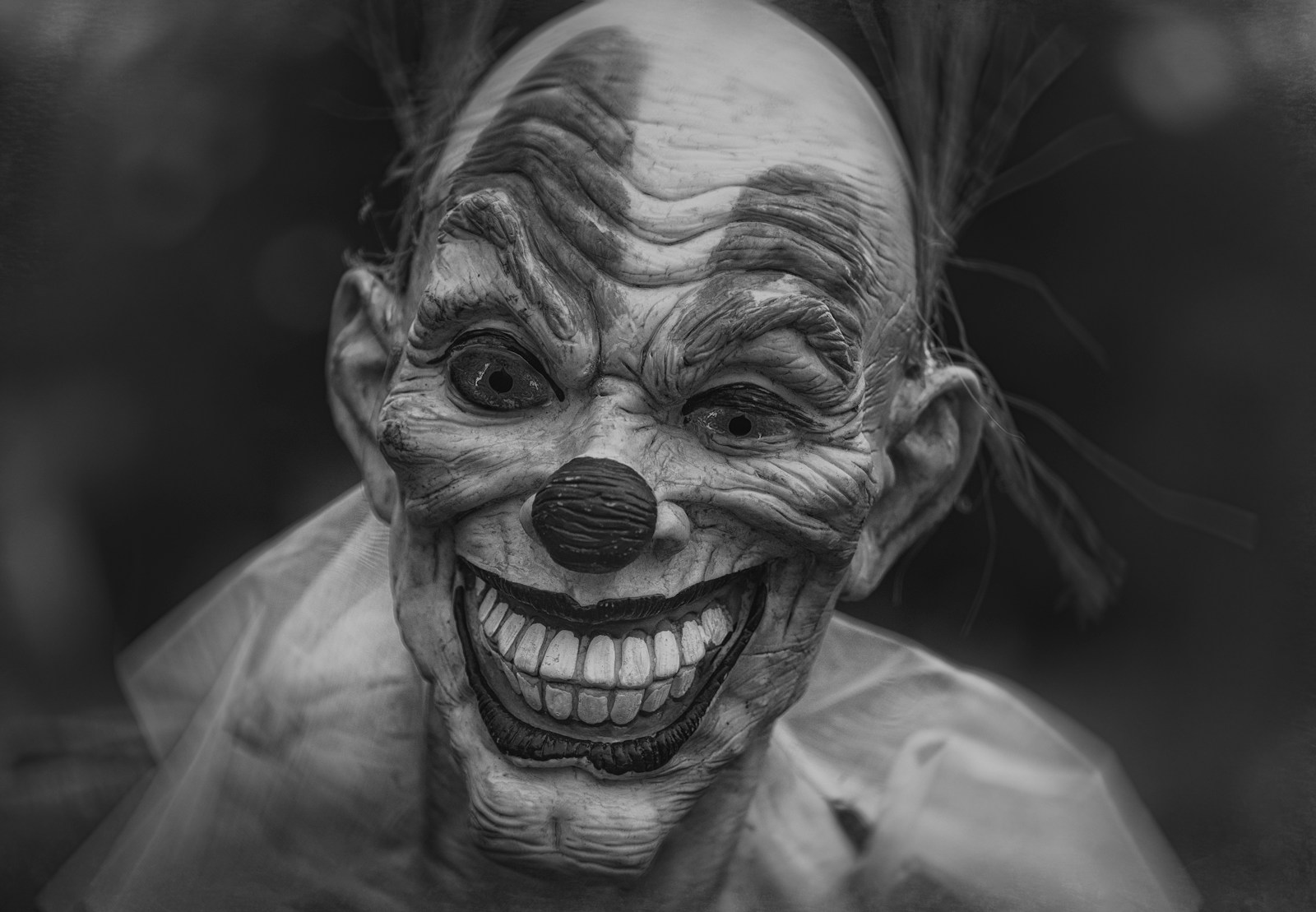
Scary games to play in real life can turn a sleepover, Halloween party, or late-night get-together into a memorable spooky experience. The best games create suspense through storytelling, dim lighting, sound effects, and imagination,not through dangerous dares, trespassing, or frightening people who have not agreed to participate.
Safety Rules Before You Start
- Make sure every player wants to participate and can stop at any time.
- Play in a familiar, private, well-maintained location with clear exits.
- Do not use real weapons, fire, candles, drugs, or dangerous props.
- Never trespass, enter abandoned buildings, approach strangers, or wander near roads or water in the dark.
- Keep lights available and agree on a stop word that ends the game immediately.
- Do not record or post anyone’s reaction without permission.
1. The Midnight Story Circle
Players: 3 or more. What you need: A flashlight or battery-powered lantern.
Sit in a circle and take turns adding one sentence to a fictional horror story. Each person must introduce a new detail, clue, or twist. Keep the story within agreed boundaries and end with a final player giving the explanation. For extra atmosphere, use a quiet background sound effect.
2. The Mystery Object
Players: 2 or more. What you need: A bag and harmless household objects.
Place a safe object inside an opaque bag. Players take turns feeling it without looking and describing what they think it is. The host can create suspense with a spooky fictional backstory. Avoid sharp, dirty, fragile, or unpleasant objects.
3. Ghost Detective
Players: 3 or more. What you need: Paper, pens, and a room.
One player secretly writes a fictional “ghost clue” and hides it in an agreed spot in the room. The others investigate using a list of clues. The host can add a timer or a dramatic reveal, but all hiding places should be safe and accessible.
4. The One-Minute Silence Challenge
Players: 2 or more. What you need: A timer.
Everyone sits quietly for one minute while a host plays a gentle spooky ambience track at a comfortable volume. The goal is to notice ordinary sounds and describe them afterward. Do not use sudden loud noises or try to trigger panic.
5. The Haunted Portrait
Players: 3 or more. What you need: Paper and pencils.
Each player draws a mysterious portrait in 60 seconds, then passes it to the next person to add one detail. At the end, invent a fictional legend about the character. The funniest or creepiest story wins.
6. Flashlight Shadow Theater
Players: 2 or more. What you need: A flashlight and a blank wall.
Use hands or paper cutouts to create shadow shapes on a wall. One player narrates a short spooky scene while another changes the shadows. Keep the flashlight cool and never shine it directly into anyone’s eyes.
7. The Locked-Room Puzzle (No Actual Locking)
Players: 2 or more. What you need: Puzzle clues and a timer.
Create a pretend escape-room challenge in one room. Players solve riddles to find a final code or message. Do not lock doors, block exits, hide keys, or use restraints. The room should remain easy to leave throughout the game.
8. The Sound Guessing Game
Players: 3 or more. What you need: A phone or speaker.
Play short, safe sound effects,wind, rain, creaking doors, or footsteps,and ask players to identify them. Keep volume moderate and avoid startling sounds that could be harmful or distressing.
9. The Haunted House Map
Players: 2 or more. What you need: Paper and a pen.
Draw a fictional house with several rooms and write a clue in each one. Players solve the clues in sequence to discover the imaginary story. You can make the map more challenging with symbols, riddles, and a final reveal.
10. The Story Behind the Photograph
Players: 3 or more. What you need: A fictional image or drawing.
Show a spooky illustration or a staged photo that does not identify a real person. Each player invents a different explanation for what happened before the picture was taken. Vote on the most creative story.
How to Make a Scary Game More Atmospheric
- Use battery-powered lights rather than open flames.
- Choose a fictional theme, such as a haunted library or mysterious lighthouse.
- Use quiet background audio rather than sudden blasts.
- Keep game rounds short and give players breaks.
- Let players choose how scary they want the experience to be.
How to Choose the Right Scary Game for Your Group
Before choosing a game, think about the players’ ages, comfort levels, group size, available space, and how long you want to play. A group of close friends may enjoy an improvised mystery, while younger children may prefer drawing, shadow puppets, or a gentle clue hunt. Ask everyone what kinds of themes are off limits. A game is only fun when participation is voluntary and players feel respected.
It can help to rate the planned atmosphere on a simple scale from one to five. A one might be a silly mystery with spooky decorations; a five might involve a longer fictional story, low lighting, and more suspense. Agree on the level before starting, and do not surprise someone with a more intense version than they accepted.
Set Up a Safe Indoor Scary-Game Space
Choose a room with clear floors, stable furniture, and an unobstructed exit. Keep a normal light switch accessible and have a flashlight or battery-powered lantern ready. Remove tripping hazards such as loose cables, bags, and low decorations. If you use a speaker, set the volume before the game begins rather than increasing it suddenly. Never use blindfolds while moving around, lock players in a room, or create a situation where someone cannot leave.
For a group with children or teens, have a responsible adult nearby. Make sure the activities do not involve contacting strangers, posting personal details, exploring unsafe places, or impersonating emergencies. A fictional mystery can feel convincing without making anyone believe a real danger is present.
Three Ways to Make the Games More Creative
Build a shared fictional world
Give the night one theme, such as an abandoned lighthouse, a mysterious museum, or a haunted train station. Use the same fictional setting in the story circle, map puzzle, and sound guessing game. Repeated details help the activities feel connected without needing expensive props.
Use clues that reward teamwork
Write clues that require different skills: one person notices a pattern, another solves a word puzzle, and another remembers a detail from the story. Avoid humiliating penalties for wrong answers. The aim is collaboration and suspense, not pressure or embarrassment.
End with a reveal
Plan a harmless explanation for the mystery. The strange sound might come from a fan, the shadow might be a paper cutout, or the missing note might be hidden under a book. A satisfying reveal lets everyone laugh, discuss the clues, and finish on a positive note.
Games to Avoid or Adapt
Online lists sometimes promote challenges that involve mirrors, candles, running in darkness, trespassing, or trying to frighten an unsuspecting person. These activities can cause injury, panic, property damage, or conflict. They also rely on claims about paranormal outcomes that are not supported by reliable evidence. If an idea depends on a person being genuinely terrified or physically at risk, replace it with a staged puzzle or fictional role-play.
For example, rather than entering an abandoned building, create a map of an imaginary building on paper. Instead of using an open flame, use an LED candle. Rather than making a player walk blindfolded, let them solve a clue while seated. These changes preserve the atmosphere while removing unnecessary hazards.
Simple Materials That Make a Big Difference
- Battery-powered tea lights or lanterns for low, safe lighting.
- Printed clue cards and envelopes for a mystery trail.
- Paper, markers, and sticky notes for maps and portraits.
- A phone or speaker with quiet, preselected ambience.
- A timer for short rounds and a clear stop word.
- Blankets and comfortable seating so players can take breaks.
Keep props clean, harmless, and appropriate for the age group. Do not use food allergens as mystery objects or put unknown substances inside containers. Tell players what materials are involved before the activity starts.
How to Keep a Sleepover or Halloween Party Inclusive
Not everyone enjoys horror. Offer a lighter alternative such as a detective puzzle, costume guessing game, or funny ghost story. Let players watch rather than participate, and never tease someone for opting out. If a player becomes uncomfortable, stop the activity and check in privately. The host should not pressure anyone to continue for the sake of the group.
For another entertainment idea to add to a themed night, see Worthiums’ comparison of Disneyland and Disney World, which can help families plan a different kind of group outing. A good party plan balances atmosphere with what the guests actually enjoy.
More Safety Guidance for Party Hosts
Keep the room’s lighting and exits under the host’s control, and use battery-operated decorative lights instead of open flames. The National Fire Protection Association’s candle-safety guidance explains why unattended flames create avoidable home-fire risks. If you use decorative lighting or props, inspect them before the event and follow the manufacturer’s directions. You can also plan a non-horror alternative for guests who would rather take part in a lighter activity.
For a different kind of group entertainment, Worthiums compares Disneyland and Disney World, a useful starting point for families planning a themed outing. Whether you host a spooky night at home or plan a trip, the best experience is one that suits the group and keeps everyone comfortable.
Frequently Asked Questions
What is a scary game to play with friends at night?
The Midnight Story Circle, Flashlight Shadow Theater, and Ghost Detective are easy choices for a group in a safe indoor space.
Are real-life paranormal games dangerous?
There is no reliable evidence that a game can summon a supernatural being. Physical risks can arise from unsafe locations, candles, panic, or pressure to take dares. Keep the activity fictional and controlled.
What scary games can kids play?
Choose age-appropriate storytelling, drawing, shadow puppets, and clue hunts. An adult should supervise younger children and make sure the atmosphere does not become distressing.
How can we stop a game?
Agree on a stop word before starting. Anyone can use it, and the activity ends immediately without teasing or pressure.
Can you play scary games without props?
Yes. The story circle, one-minute silence challenge, and story-behind-the-photograph game can be played with only imagination or ordinary paper.
What is the best scary game for a large group?
A story circle or team-based ghost detective game works well because everyone can contribute. Divide a large group into small teams if the room is crowded.
Are scary games appropriate for children?
They can be when the theme is age-appropriate, participation is voluntary, and an adult supervises. Avoid realistic threats, intense jump scares, or activities that cause distress.
Conclusion
The most enjoyable scary games rely on creativity and suspense, not real danger. Pick a game that suits the group, agree on boundaries, and keep the setting safe. A good spooky night should leave everyone laughing and talking about the story afterward,not dealing with an injury or a frightening experience they never wanted.

Lois Snyder is a versatile writer with experience across multiple domains. She crafts engaging and informative content, delivering valuable insights and captivating readers with her expertise and passion for diverse topics.