
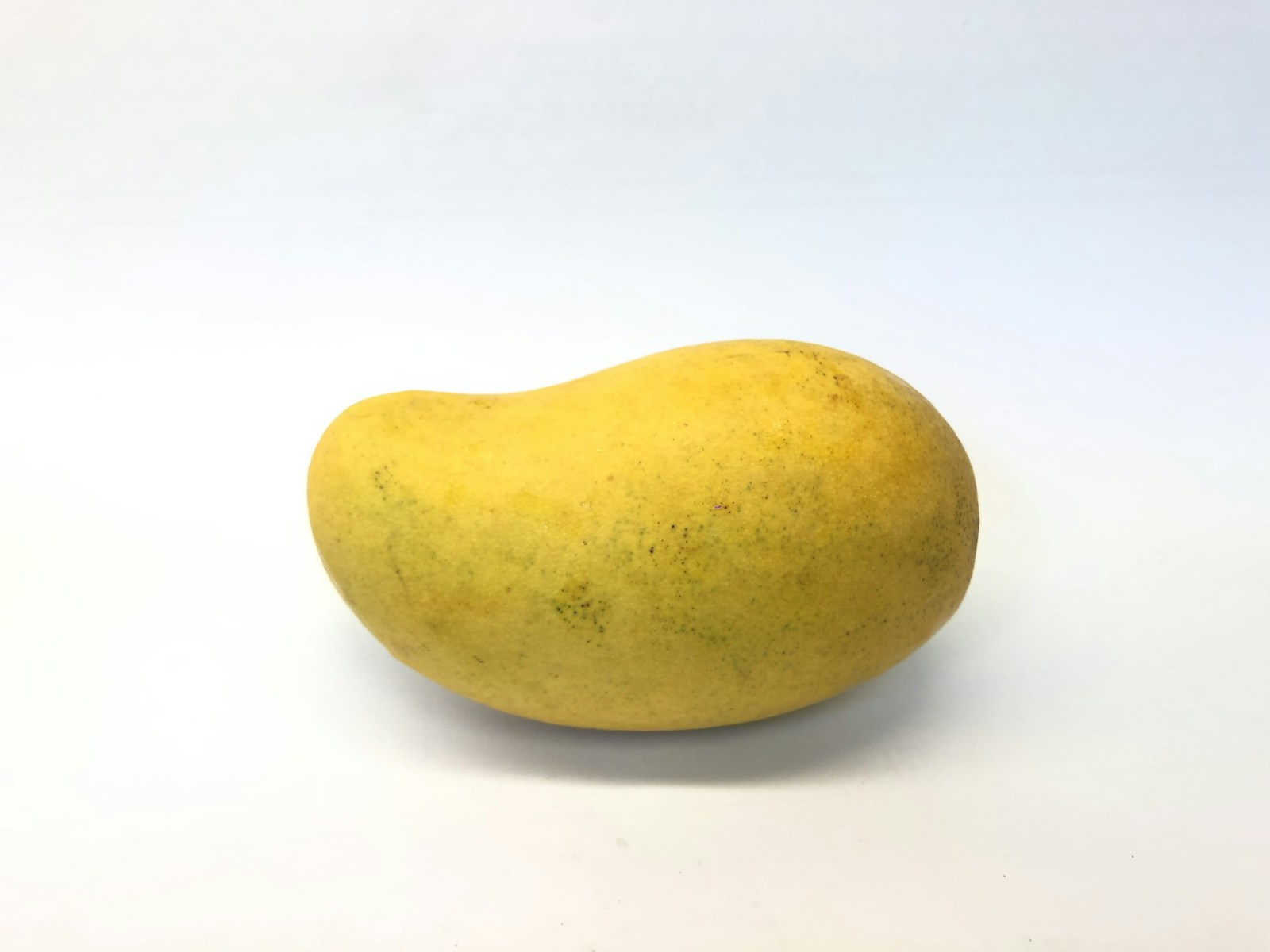
The easiest way to know if a mango is ripe is to gently squeeze it and smell near the stem. A ripe mango usually gives slightly under gentle pressure and may have a sweet, fruity aroma at the stem end. Skin color alone is not a dependable test because mango varieties naturally range from green to yellow, orange, and red.
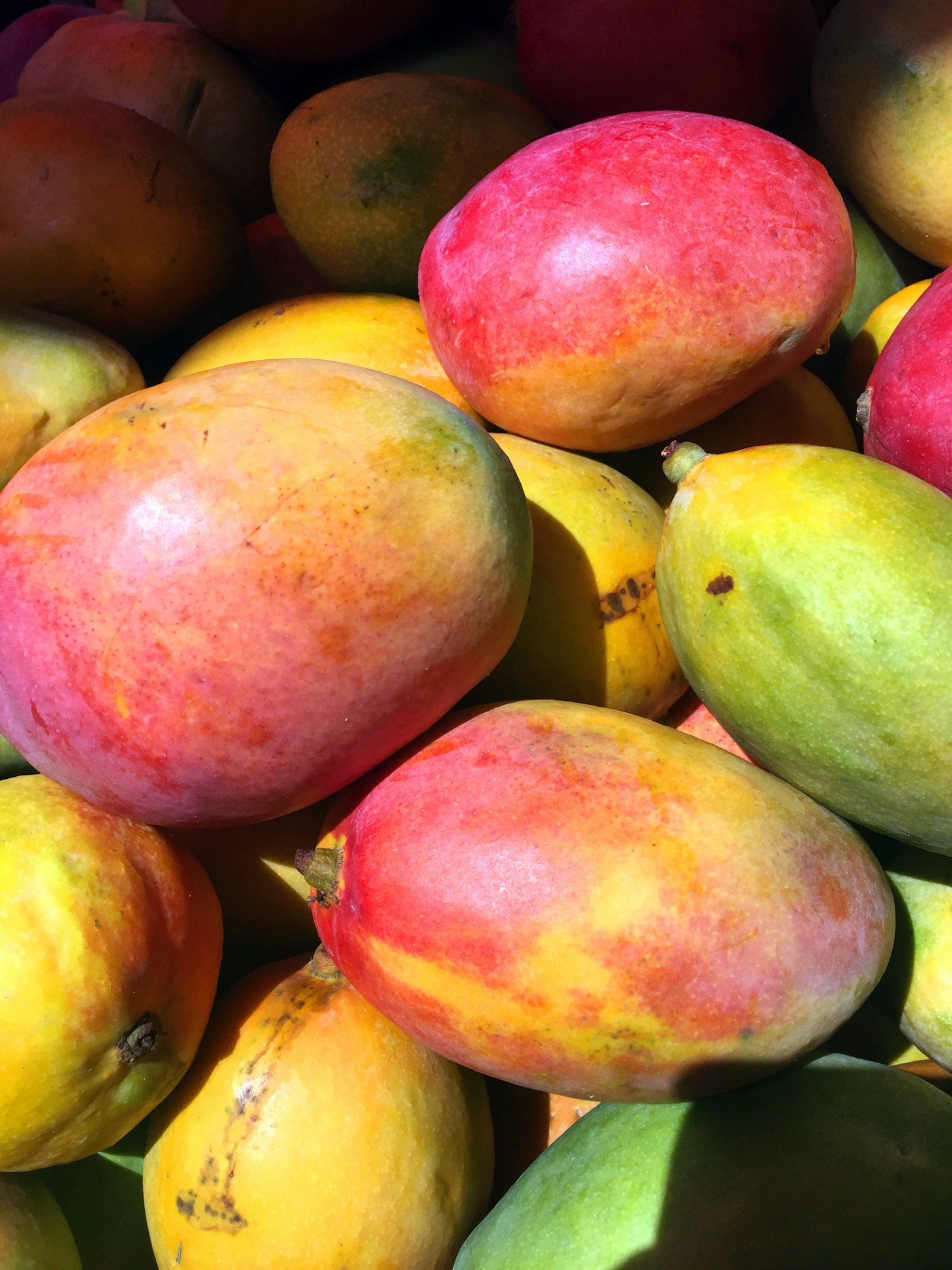
5 Signs a Mango Is Ripe
1. It gives slightly when pressed
Hold the mango in your palm and press it gently with your fingers. A ripe mango should yield a little, similar to a ripe peach or avocado. It should not feel mushy or collapse under light pressure.
2. It has a fruity smell near the stem
Bring the stem end close and smell. A ripe mango often has a noticeable sweet, tropical fragrance. A completely neutral smell can mean it needs more time, although aroma varies by variety and ripeness stage.
3. It feels full and plump
Some varieties develop rounded shoulders near the stem as they mature. Shape can offer a clue, but it is not as useful as checking firmness and aroma together.
4. It is free from major damage
Small surface marks do not automatically mean a mango is spoiled. Avoid fruit with large sunken soft spots, leaking juice, extensive mold, or a sour or fermented odor.
5. Its flesh is soft and juicy when cut
Once opened, ripe mango flesh is generally juicy and fragrant. Internal flesh color varies by cultivar, so use the fruit’s texture and aroma along with appearance.
Does Mango Color Tell You If It Is Ripe?
Not reliably. The National Mango Board advises shoppers not to judge ripeness by red skin. Some mangoes remain green when ripe, while others develop yellow, orange, or red tones. Variety, growing conditions, and exposure to sunlight influence skin color. Gently checking firmness is a better shopping test.
How to Ripen a Mango at Home
- Leave a firm, uncut mango at room temperature.
- Check it once a day by gently pressing near the middle.
- To encourage ripening, place it in a paper bag on the counter; check it regularly.
- Once it gives slightly and smells fruity, move it to the refrigerator if you are not eating it immediately.
Do not refrigerate an unripe mango if you want it to ripen normally. Once cut, refrigerate the pieces in a covered container and use them promptly.
How to Store a Ripe Mango
Whole ripe mangoes can be refrigerated to slow further ripening. Cut mango should be stored in a sealed food-safe container in the refrigerator. For longer storage, diced mango can be frozen in a suitable freezer container. Discard fruit that develops mold, an off smell, or an unusual slimy texture.
Ripe vs. Unripe Mango
| Sign | Unripe mango | Ripe mango |
|---|---|---|
| Firmness | Very firm | Gives slightly |
| Aroma | Little or no sweet smell | Often fruity near stem |
| Flavor | More tart or sour | Usually sweeter |
| Best use | Pickles, chutneys, tart dishes | Fresh eating, smoothies, desserts |
How Different Mango Varieties Look When Ripe
Mangoes do not all ripen to the same skin color. Tommy Atkins mangoes often keep a green background with red blush, while Ataulfo mangoes tend to turn golden yellow. Kent and Keitt mangoes can retain green tones even when the flesh is ready. Because variety influences appearance, use color only as one small clue and rely more on gentle firmness and aroma.
Shape also varies. Some varieties are more oval, while others are rounder or have a noticeable beak near the stem. A full, well-developed shape can indicate maturity, but it cannot confirm ripeness by itself. If you are shopping, choose fruit that feels heavy for its size and has no major bruising or leaking.
How to Check a Mango Without Damaging It
Use the pads of your fingers and apply light pressure around the middle of the fruit. Avoid squeezing with your fingertips or pressing hard enough to leave a bruise. Check more than one area because a mango can soften unevenly. If it gives slightly but still holds its shape, it is often ready to eat. If it feels very soft, inspect it carefully and cut it soon rather than leaving it on the counter.
Do not rely on a single smell test either. Some ripe mangoes have a strong sweet aroma, while others are more subtle. A sour, alcoholic, or fermented odor is a warning sign, particularly when paired with leaking juice or mushy flesh. When in doubt, cut the fruit open and assess the flesh; discard it if there are clear signs of spoilage.
What If a Mango Is Too Hard or Too Soft?
If it is too hard
A very firm mango usually needs more time at room temperature. Leave it on the counter away from direct sunlight and check it daily. A paper bag can help trap naturally released ethylene around the fruit and encourage ripening. Do not seal it in an airtight plastic bag, where moisture can accumulate.
If it is too soft
If the mango is ripe but still sound, refrigerate it to slow further ripening and eat it soon. If it has large mushy areas, mold, leaking liquid, or an unpleasant fermented smell, do not try to rescue it by cutting away only the damaged section. Food safety depends on the type and extent of spoilage.
How to Cut and Serve a Ripe Mango
Wash the whole mango under clean running water before cutting, even if you plan to peel it. The large flat pit sits in the center, so cut down each side of it to create two cheeks. Score the flesh in a grid without cutting through the skin, then turn the cheek inside out or scoop the cubes with a spoon. Trim any remaining flesh from around the pit.
Ripe mango works in fruit salads, smoothies, salsa, yogurt bowls, desserts, and savory dishes. Its sweetness pairs well with lime, chili, mint, coconut, and grilled foods. If you want a firmer, more tart fruit for chutney or pickles, an unripe mango may be the better ingredient.
Can You Ripen Mangoes in the Refrigerator?
Refrigeration slows ripening, so it is usually better to let a firm mango soften at room temperature first. Once it is ripe, refrigeration can help extend the time before it becomes overripe. Keep cut mango covered and chilled. If you are preparing mango in advance, use a clean knife and board and refrigerate the pieces promptly.
Common Mango Ripeness Mistakes
- Choosing only the reddest mango in the display.
- Squeezing too hard and bruising the fruit.
- Assuming every variety changes to yellow when ripe.
- Leaving a ripe mango in a warm place for several extra days.
- Ignoring a fermented smell or mold because the outside still looks attractive.
The National Mango Board’s mango selection guide also recommends checking the fruit’s feel rather than judging by color alone. Its ripening and quality guidance explains why variety and handling affect what shoppers see.
Make Ripeness Part of Your Meal Plan
If you buy several mangoes at once, choose a mix of firmness levels. Eat the softest ripe fruit first and allow firmer ones to continue ripening. This simple approach reduces waste and gives you mangoes for different uses across the week. Store whole ripe mangoes in the refrigerator and prepare only the amount you expect to eat.
For more everyday home and lifestyle ideas, browse Worthiums’ guide to making practical improvements to your home environment. Small planning habits can make both food storage and home organization easier.
Frequently Asked Questions
How long does a mango take to ripen?
It depends on how mature and firm it is when purchased and on room temperature. Check daily rather than relying on a fixed number of days.
Can a green mango be ripe?
Yes. Some varieties can remain green even when ripe. Use gentle pressure and aroma rather than color alone.
Should ripe mangoes be refrigerated?
Yes. Refrigeration slows further ripening. Refrigerate cut mango promptly in a covered container.
Can I eat a mango that is still firm?
Yes, if it is sound and clean. Firm mango is more tart and can be used in recipes that call for unripe mango.
Conclusion
To tell if a mango is ripe, gently press it and check for a sweet smell near the stem. Do not rely on red or yellow skin alone. With a little practice, you can choose fruit that is ready to eat or buy firmer mangoes and let them ripen at home.

Lois Snyder is a versatile writer with experience across multiple domains. She crafts engaging and informative content, delivering valuable insights and captivating readers with her expertise and passion for diverse topics.