
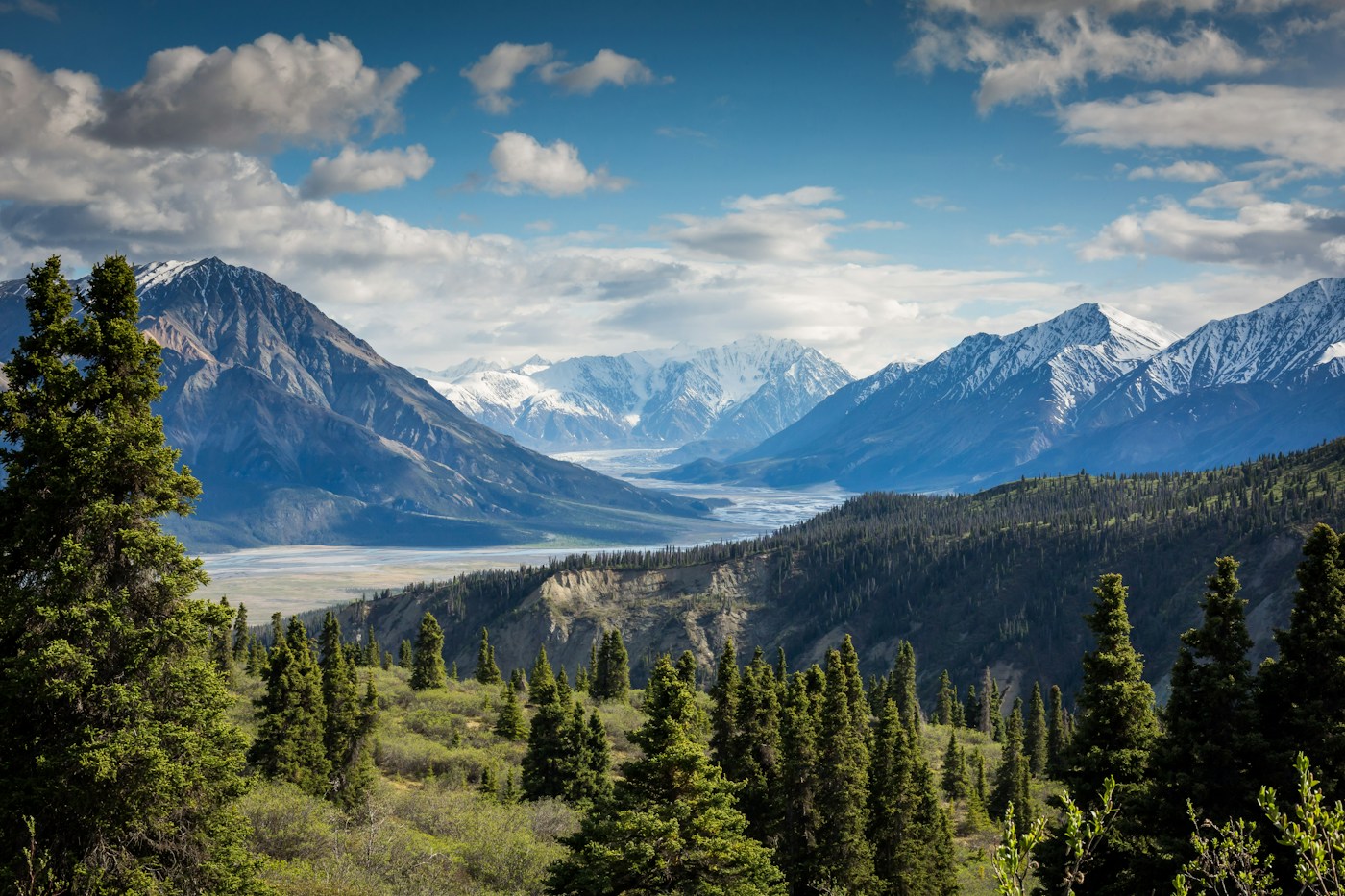
Some trips are remembered for the hotel, the restaurant, or the photos. Others stay with you because you tried something unfamiliar, reached a remarkable viewpoint, learned from a local guide, or spent a day in a landscape that felt completely different from home. Traveling to epic adventures beyond the ordinary is about choosing experiences that make a journey meaningful, not simply filling an itinerary with activities.
An adventure does not have to involve extreme risk or expensive equipment. It might be a guided hike through a national park, a wildlife-watching trip, a multi-day cycling route, a kayaking excursion, or a cultural journey that takes you beyond the usual tourist district. The best experience is one that matches your interests, fitness, budget, and comfort level.
What Makes an Adventure Trip Feel Extraordinary?
A memorable adventure usually combines discovery, participation, and a sense of place. Instead of only viewing a destination from a vehicle, you take part in an activity that helps you understand its landscape or culture. That could mean walking a historic trail, learning a traditional craft, paddling a quiet coastline, or joining a small-group wildlife tour led by someone who knows the region.
Extraordinary does not have to mean remote or physically demanding. A first-time traveler can have a remarkable experience close to a major city. What matters is choosing an activity with a clear purpose, reliable operator, and realistic expectations.
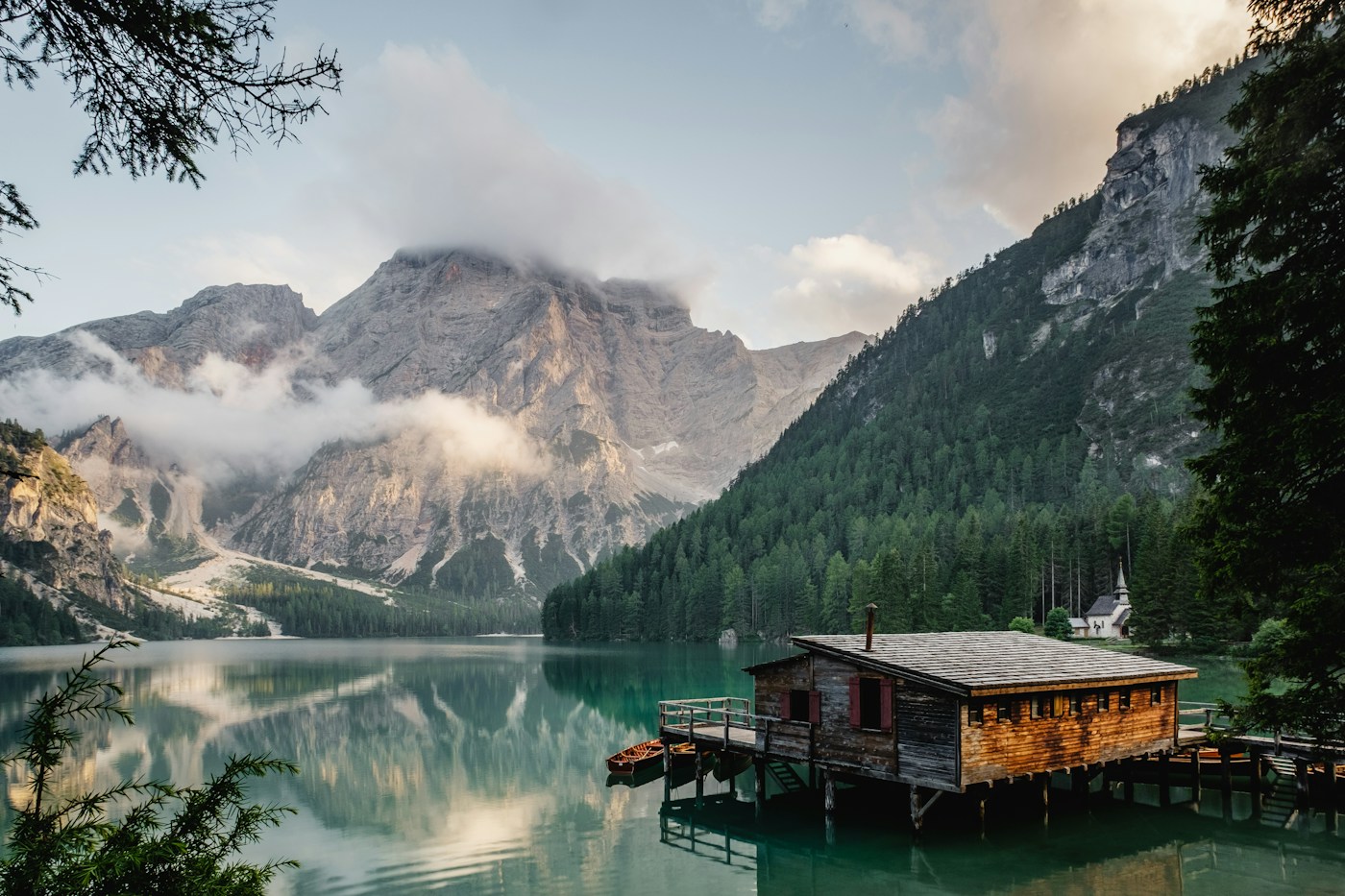
Mountain Adventures for Big Views and Fresh Challenges
Mountain travel offers hiking, scenic railways, guided climbs, mountain biking, and winter sports. A well-marked day hike can provide a sense of achievement without requiring technical climbing skills. More demanding routes may involve altitude, exposure, changing weather, and navigation, so choose a trail that matches your experience.
Before setting out, check trail conditions, permits, weather forecasts, daylight hours, and the expected time to return. Carry water, food, suitable layers, navigation tools, and a way to contact help where coverage is available. For national park trips in the United States, the National Park Service trip-planning guide offers useful preparation advice.
Water Adventures Along Coasts, Lakes, and Rivers
Water-based adventures can include kayaking, snorkeling, sailing, surfing, paddleboarding, and guided rafting. These activities allow travelers to experience a destination from a different perspective. A calm-water kayak tour may be suitable for beginners, while whitewater rafting or open-water diving requires more training and attention to safety.
Choose an operator that explains the route, equipment, weather policy, group size, and emergency procedures. Ask whether life jackets, helmets, wetsuits, or other safety gear are provided and correctly fitted. Do not participate when conditions exceed your ability or when the operator appears to ignore safety standards.
Wildlife and Nature Experiences
Wildlife trips can be among the most memorable forms of travel when they are planned responsibly. Examples include birdwatching, whale-watching, guided safaris, rainforest walks, and visits to conservation areas. The best experiences prioritize animal welfare and habitat protection rather than guaranteeing close contact or staged encounters.
Keep a respectful distance from animals, follow guide instructions, and avoid feeding or touching wildlife. Research whether a tour supports conservation and whether its practices comply with local rules. A responsible operator should be comfortable explaining how it protects animals and the environment.
Cultural Adventures That Take You Beyond the Tourist Route
Adventure can also come from learning something new. Consider a regional food tour, a traditional cooking class, a local craft workshop, a guided history walk, or a homestay arranged through a reputable provider. These experiences can create a stronger connection with a place than rushing between famous landmarks.
Approach local customs with curiosity and respect. Learn basic greetings, ask before photographing people, dress appropriately for the setting, and support locally owned businesses when possible. A small-group experience can give you time to ask questions and understand the story behind the place.
Road Trips and Multi-Day Journeys
A road trip can become an adventure when the route is part of the experience. Scenic byways, coastal roads, mountain passes, desert routes, and small-town stops can turn travel time into discovery. Build a route with realistic driving distances and allow time for rest, meals, and unexpected delays.
Check vehicle condition, insurance, fuel availability, road restrictions, and weather before departure. In remote areas, download offline maps and tell someone your route. If you are planning a longer trip, compare transportation options and avoid packing every day so tightly that there is no room to enjoy a stop.
How to Choose the Right Adventure for Your Travel Style
Start with the experience you want rather than a destination trend. If you enjoy physical challenges, look at hiking, cycling, or paddling. If you prefer learning, consider food, history, or craft experiences. If you want nature without strenuous activity, choose scenic rail journeys, accessible trails, boat tours, or wildlife observation with a reputable guide.
- Beginner: guided nature walks, easy cycling, calm-water kayaking, food tours, and scenic day trips.
- Intermediate: longer hikes, multi-day cycling, snorkeling, guided rafting, and backcountry day routes.
- Experienced: technical climbing, advanced diving, remote trekking, and demanding wilderness trips with qualified support.
These are broad examples, not formal ability ratings. Read activity requirements and be honest about your skills. A guided beginner experience can be more rewarding than an advanced activity chosen only for social media photos.
How to Plan an Adventure Trip Without Overspending
Adventure travel costs vary with destination, season, equipment, transport, guide fees, permits, and accommodation. Set a total budget before booking and include a reserve for weather changes or unexpected transport. Some activities require specialist equipment, but many operators provide rentals or include essential gear in the price.
Compare the full package rather than only the advertised rate. Check whether meals, transfers, permits, equipment, insurance, and gratuities are included. Read cancellation terms carefully, particularly for weather-dependent activities. If you are combining several experiences, leave time between them so one delay does not disrupt the entire trip.
Safety Should Be Part of the Adventure
Adventure activities carry different levels of risk. Research the destination, local laws, seasonal conditions, and the operator’s safety record. Check the qualifications of guides, the condition of equipment, emergency communications, and the plan for injury or evacuation. The U.S. Department of State’s adventure traveler guidance recommends researching both the destination and the activity provider before participating.
Consider travel insurance that specifically covers the activity you plan to do. Some standard policies exclude high-risk sports, remote trekking, or medical evacuation. Read the policy wording instead of assuming that every activity is covered. If you have a health condition or are unsure whether an activity is appropriate, seek medical advice before booking.
Travel Responsibly and Leave a Positive Impact
Responsible adventure travel respects local communities, wildlife, and natural places. Follow marked trails, pack out waste, conserve water, and avoid disturbing fragile habitats. Choose businesses that employ local guides fairly and explain how they manage environmental impacts.
Small decisions matter. Refill a reusable water bottle where safe, avoid buying products made from protected wildlife, and ask whether an activity contributes to conservation or community projects. Being a thoughtful visitor can make a destination better for the people who live there and for travelers who arrive later.
Build a Flexible Itinerary
A good adventure itinerary balances planned activities with time to explore. Choose one or two anchor experiences, then add flexible options nearby. For example, a national park trip might include a guided hike, a scenic drive, and an unplanned afternoon at a visitor center or accessible viewpoint. A coastal trip could combine a boat excursion with a local food stop and a free day for weather changes.
If your journey includes a theme park or major attraction, plan around travel time and reservation requirements. Worthiums has a guide to the differences between Disneyland and Disney World for readers comparing two major vacation experiences. For transportation that is part of a special occasion, you can also review the cost of renting a limousine before building it into your budget.
For additional preparation advice, the UK Foreign, Commonwealth and Development Office adventure travel guidance recommends checking destination advice, activity requirements, and operator safety information before departure.
Frequently Asked Questions
What is considered an adventure trip?
An adventure trip includes an activity that emphasizes exploration, challenge, or participation. It can involve hiking, paddling, cycling, wildlife viewing, cultural learning, or other experiences beyond a standard sightseeing itinerary.
Do I need to be physically fit for adventure travel?
Not always. Many adventure experiences are beginner-friendly, including guided walks, scenic boat trips, easy cycling, and cultural activities. Check the activity’s distance, duration, terrain, and fitness requirements before booking.
How do I choose a safe adventure tour operator?
Look for clear safety information, qualified guides, suitable equipment, transparent cancellation rules, and a credible operating history. Ask about emergency plans and whether the activity is appropriate for your experience level.
Is adventure travel expensive?
It can be, but the cost varies widely. A self-guided day hike may cost little beyond transport and food, while a guided expedition or specialist activity can be expensive. Compare the total cost, including equipment, permits, insurance, and transfers.
What should I pack for an adventure trip?
Pack according to the activity and destination. Common essentials include suitable footwear, weather-appropriate layers, water, snacks, sun protection, a first-aid kit, navigation tools, and any required safety equipment. Follow the operator’s packing list for technical activities.
Conclusion
Traveling to epic adventures beyond the ordinary is less about collecting extreme experiences and more about choosing journeys that create genuine discovery. Whether you hike a mountain trail, paddle a quiet coastline, learn from a local guide, or explore a national park, plan around your interests and abilities. Research operators, prepare for changing conditions, respect local communities, and leave room for unexpected moments. A thoughtful plan can turn an ordinary vacation into a trip you remember for years.

Lois Snyder is a versatile writer with experience across multiple domains. She crafts engaging and informative content, delivering valuable insights and captivating readers with her expertise and passion for diverse topics.