
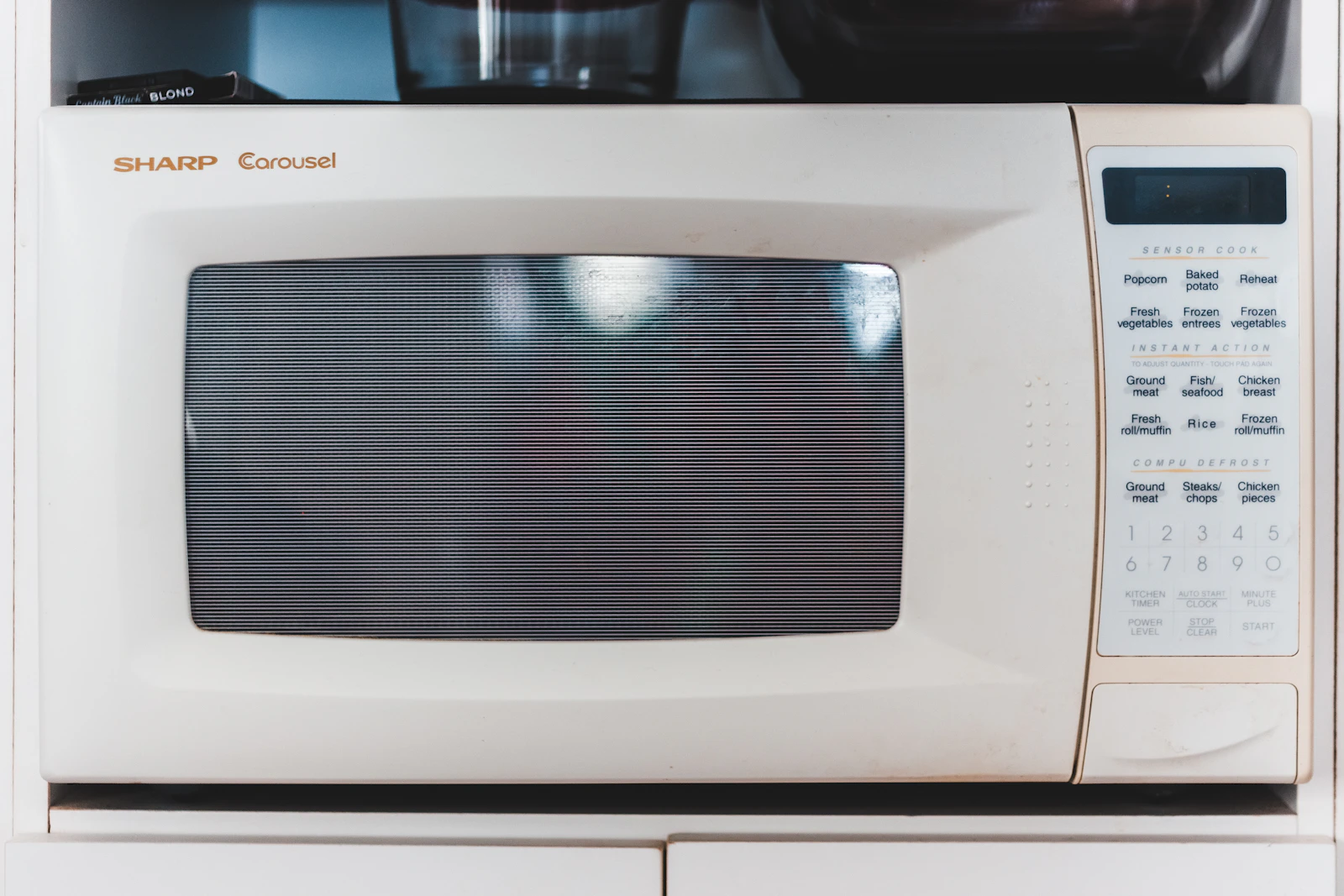
Stainless steel should generally not be placed inside a conventional microwave oven unless the appliance manufacturer specifically says that the particular item or accessory is microwave-safe. Metal reflects microwave energy instead of allowing it to pass through in the same way as glass, paper, or many microwave-safe plastics. Depending on the shape and placement, metal can cause arcing, uneven heating, or damage to the oven.
There is an important distinction between a stainless steel microwave’s exterior and putting a stainless steel bowl, fork, travel mug, or plate inside the cooking cavity. The outer cabinet is designed as part of the appliance. A loose metal object is a different matter. This guide explains the science, common exceptions, what to do if you accidentally used metal, and safer alternatives for heating food.
Can You Put Stainless Steel in the Microwave?
As a general safety rule, do not put ordinary stainless steel cookware or utensils in a microwave unless the microwave manual explicitly approves that item and its use. Stainless steel is electrically conductive, so it reflects microwave energy. Sharp edges, thin pieces, crumpled foil, and objects placed close to the oven walls can concentrate electrical fields and produce sparks, a process called arcing.
Not every metal object will spark every time. That does not make it safe to experiment. The result depends on the metal’s shape, thickness, position, distance from the walls, and the design of the oven. A smooth metal rack supplied with some microwave models may be safe when used exactly as instructed, while a random stainless steel bowl may not be.
Why Does Metal Cause Problems in a Microwave?
A microwave oven uses electromagnetic energy to heat food. The metal interior walls reflect that energy around the cooking cavity, while food absorbs energy and heats. Glass, paper, and many microwave-safe plastic containers allow microwave energy to pass through, although the container can still become hot from contact with the food.
When a loose metal object is placed inside, it can reflect energy and alter the field pattern. If the object has a sharp point, thin edge, damaged surface, or a position that creates a strong electric field, a spark may jump through the air. This is why a fork, crumpled foil, or metal twist tie can be especially problematic. The FDA explains that metal pans and aluminum foil are generally not recommended because they can reflect microwaves, cook food unevenly, and possibly damage the oven.

Are There Any Exceptions?
Yes, but the exception must come from the microwave manufacturer or the instructions for a specific approved accessory. Some microwave ovens include a metal rack or use metal components designed to remain in a particular position. Certain combination microwave-convection ovens also have approved cookware for specific cooking modes. Those instructions do not mean that any stainless steel object is safe.
Manufacturer-supplied metal racks
A rack designed for a specific microwave model may be engineered to fit at a prescribed height and distance from the cavity walls. Use it only if the manual says it is permitted, and follow the required placement. Do not substitute a different rack or use the supplied rack in a mode that prohibits it.
Combination microwave ovens
Some combination appliances have microwave, convection, grill, or combination modes. A metal pan may be approved for convection-only operation but prohibited during microwave operation. Read the mode-specific instructions carefully. If the manual is missing, look up the exact model number on the manufacturer’s website before using metal accessories.
Metal trim on packaging
Do not assume a paper or cardboard container is microwave-safe if it has metallic decoration, a foil lining, or a metal handle. Follow the package directions. Transfer food to a microwave-safe dish when the packaging instructions are unclear.
What Happens If You Put Stainless Steel in the Microwave?
Possible outcomes include no visible reaction, unevenly heated food, sparks, a burning smell, smoke, or damage to the appliance. A brief spark does not automatically mean the microwave is ruined, but it is a reason to stop the cycle and inspect the oven after it is safe to do so. Repeated arcing can damage the interior coating, waveguide cover, or other components.
If you see sparks, hear unusual popping, or notice smoke, stop the microwave immediately. If it is safe, use the Stop or Cancel control. Do not reach into the oven while an active arc or fire is occurring. If flames appear, keep the door closed, switch off power if you can do so safely, and follow emergency guidance. Opening the door can introduce oxygen and worsen a fire.
What to Do If You Accidentally Microwaved a Metal Item
- Stop the microwave if you notice sparks, smoke, or unusual noise.
- If there is a fire, keep the door closed and disconnect power only if safe; call emergency services if the fire does not stop quickly.
- Wait until the oven is off and the item has cooled before removing it.
- Check the cavity for burn marks, damaged coating, or a damaged waveguide cover.
- Do not use the appliance if it has visible damage, a burning smell that remains, a damaged door, or unusual operation.
- Consult the manual or manufacturer service department if you are unsure whether it is safe to use again.
Do not try to test the microwave by running it empty. Microwave ovens should be operated with an appropriate load, following the manufacturer’s instructions. If the door, latch, hinges, or seals are damaged, stop using the appliance and contact the manufacturer or a qualified repair professional.
Which Containers Are Safer for Microwave Use?
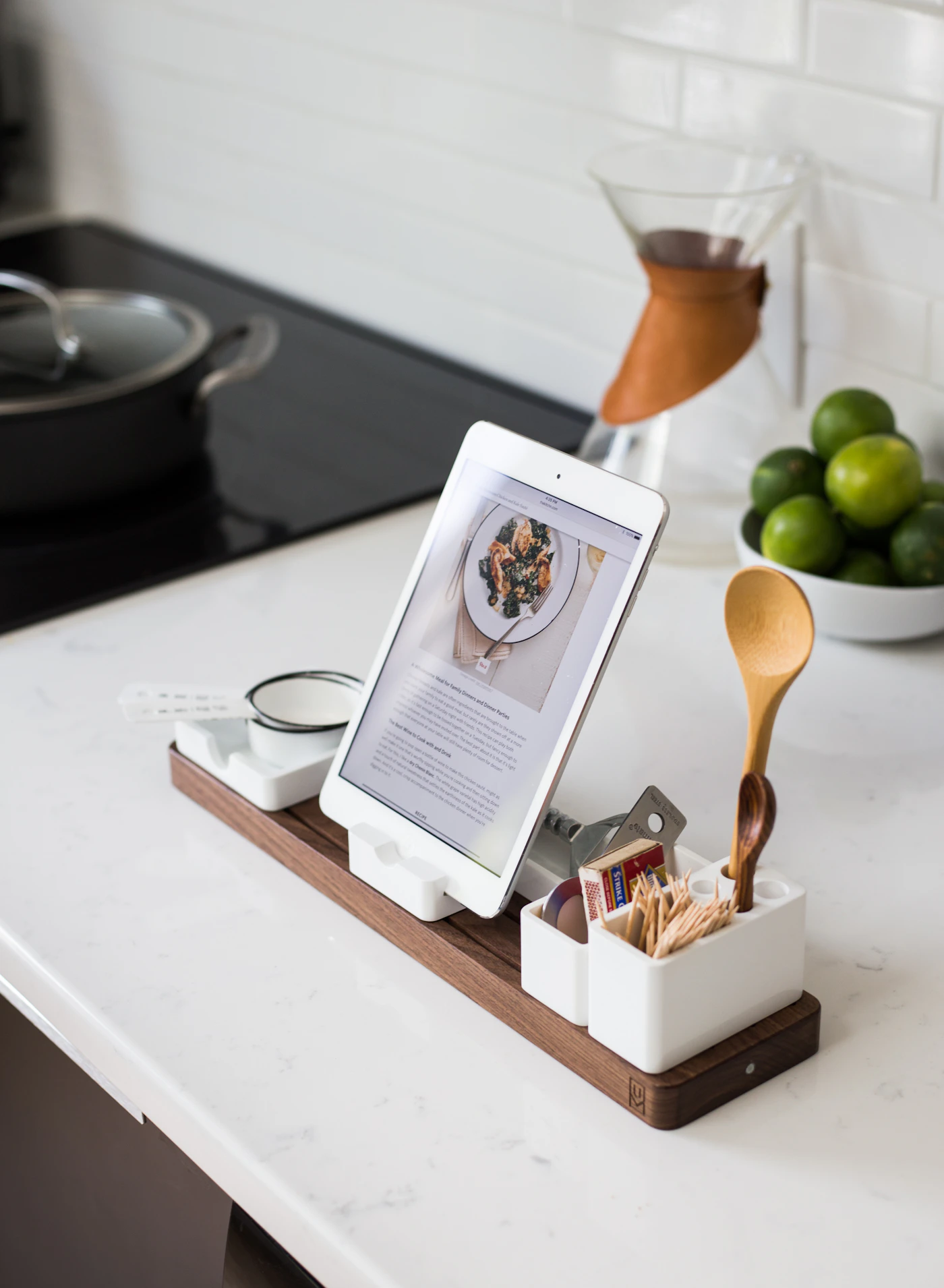
Use containers labeled microwave-safe and follow the instructions on the container. Common options include microwave-safe glass, ceramic without metallic decoration, and plastics specifically designed for microwave use. Paper plates and towels may be suitable for some short heating tasks when the manufacturer or food packaging allows it. Avoid containers with metallic paint, gold or silver trim, foil components, or unknown coatings.
| Container or item | General guidance | Important note |
|---|---|---|
| Microwave-safe glass | Usually suitable | Check for cracks and thermal limits |
| Plain ceramic | Often suitable | No metallic trim; check the label |
| Microwave-safe plastic | Suitable when labeled | Use only as directed; avoid damaged containers |
| Stainless steel bowl | Do not use by default | Only if the specific appliance manual permits it |
| Fork or metal spoon | Do not use | Sharp points and edges can cause arcing |
| Aluminum foil | Generally avoid | Some manuals allow limited use under strict directions |
| Container with metallic decoration | Avoid | Metallic paint or trim can spark |
Is Stainless Steel Microwave-Safe if It Has No Sharp Edges?
A smooth, rounded stainless steel container is not automatically microwave-safe. Shape influences the risk of arcing, but it does not remove the basic issue that metal reflects microwave energy. It may prevent food from heating evenly and may interact with the appliance’s design in an unpredictable way. Do not use a smooth metal bowl simply because it has no pointed corners.
Can You Put a Stainless Steel Travel Mug in the Microwave?
No, not unless the manufacturer of the mug and the microwave both explicitly approve the exact use. Most insulated stainless steel travel mugs are not designed for microwave heating. They can block heating, cause arcing, or have components such as handles, lids, seals, or coatings that are unsuitable for microwave use. Pour the drink into a microwave-safe cup instead.
How to Check Your Microwave’s Instructions
Find the model number on the label, often located around the door opening, on the back, or inside the cavity. Search the manufacturer’s official website for the owner’s manual. Look for sections on cookware, metal racks, aluminum foil, combination cooking modes, and cleaning. If the manual says not to use metal, follow that instruction even if a particular online video suggests otherwise.
The U.S. Food and Drug Administration provides a clear overview in its microwave oven safety guidance. For practical household maintenance and appliance advice, explore Worthiums’ Home Improvement section.
Frequently Asked Questions
Can stainless steel go in the microwave for 30 seconds?
Do not assume a short time makes it safe. Metal can cause arcing or uneven heating even during a brief cycle. Use it only when the specific appliance instructions expressly allow the item.
Why does a microwave have metal inside if metal is unsafe?
The metal cavity is part of the oven’s engineered design and reflects microwave energy within the cooking chamber. A loose metal object can change the electric field in ways the appliance was not designed to handle.
Can I microwave a stainless steel spoon in a cup?
Do not do so unless the microwave manual specifically permits it. Remove the spoon before heating and use a microwave-safe cup.
Will one spark ruin my microwave?
Not always, but inspect the appliance after it has cooled. If you see damage, smell burning, hear abnormal sounds, or notice a damaged door or seal, stop using it and contact the manufacturer or a qualified technician.
Conclusion
Stainless steel should not go in a conventional microwave unless the manufacturer explicitly approves the item and the way it will be used. Metal reflects microwave energy and can contribute to arcing, uneven heating, or appliance damage. Choose microwave-safe glass, ceramic, or labeled plastic instead, and consult the owner’s manual whenever an accessory or cooking mode creates uncertainty.

Lois Snyder is a versatile writer with experience across multiple domains. She crafts engaging and informative content, delivering valuable insights and captivating readers with her expertise and passion for diverse topics.